SMIGUS-DYNGUS: POLAND’S WATER SPLASH TRADITION DONE SAFELY AND RESPECTFULLY
What Smigus-Dyngus Means Today
Smigus-Dyngus, also known as Wet Monday, is a cheerful Easter Monday tradition in Poland where family and friends sprinkle one another with water to welcome spring. It is light-hearted, playful, and, when done with care, it brings people closer after the long winter. The modern spirit is simple: share a moment, laugh together, and keep everyone comfortable. I remember one Easter when my cousin tapped my wrist with a tiny spray bottle, and my grandmother pretended to be shocked before asking for her “official spring sprinkle.” It was gentle, warm, and perfectly set the tone for the day.
Old Roots With A Fresh, Family-Friendly Tone
The custom has roots in Slavic spring rituals, where water symbolized renewal, health, and a clean start. Over time it became part of Easter celebrations, moving from fields and village lanes into family yards and city courtyards. While the history is rich, today most people keep it friendly and modest. A small splash is enough to “invite spring,” and the focus stays on kindness, respect, and creating safe memories for kids and adults alike. The best part is that anyone can join without special equipment or complicated rules.
How People Celebrate Without Stress
Most households treat Smigus-Dyngus as a short, joyful moment rather than an all-day event. Some families agree on a time window in the late morning, step outside with small bottles or cups of water, and share polite sprinkles. Others add a walk to a nearby park and bring a thermos of tea for after. When children are involved, clear boundaries help the fun stay fun. Parents explain where splashing is allowed, which clothes are okay to get damp, and how to read another person’s face for a yes or a no. A towel by the door, a dry sweater ready to go, and a relaxed attitude make the day smooth.
Consent, Courtesy, And Local Rules
Smigus-Dyngus works best when everyone agrees to participate. Always ask first, or at least make the intention obvious and wait for a smile or a nod. Avoid strangers, passersby, cyclists, or anyone who is not clearly joining the tradition. Keep water away from apartments, stairwells, vehicles, shops, and public transport. Do not splash phones, bags, or work clothes. Respecting personal space and property turns a nice custom into a safe, welcome moment. Communities often have local guidelines, and following them keeps the celebration positive for everyone.
Regional Colors Without The Chaos
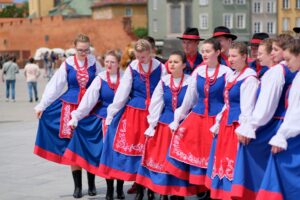
Different parts of Poland add their own flavor to the day. Some places prefer a symbolic sprinkle, others enjoy light folklore costumes and friendly house-to-house greetings. The common thread is hospitality. You might be offered a slice of leftover Easter cake or a warm drink after a quick splash. If you visit family in another region, it is polite to ask how they mark the day. A short conversation before the fun avoids misunderstandings and shows care for local habits.
A Simple Plan For Households And Friends
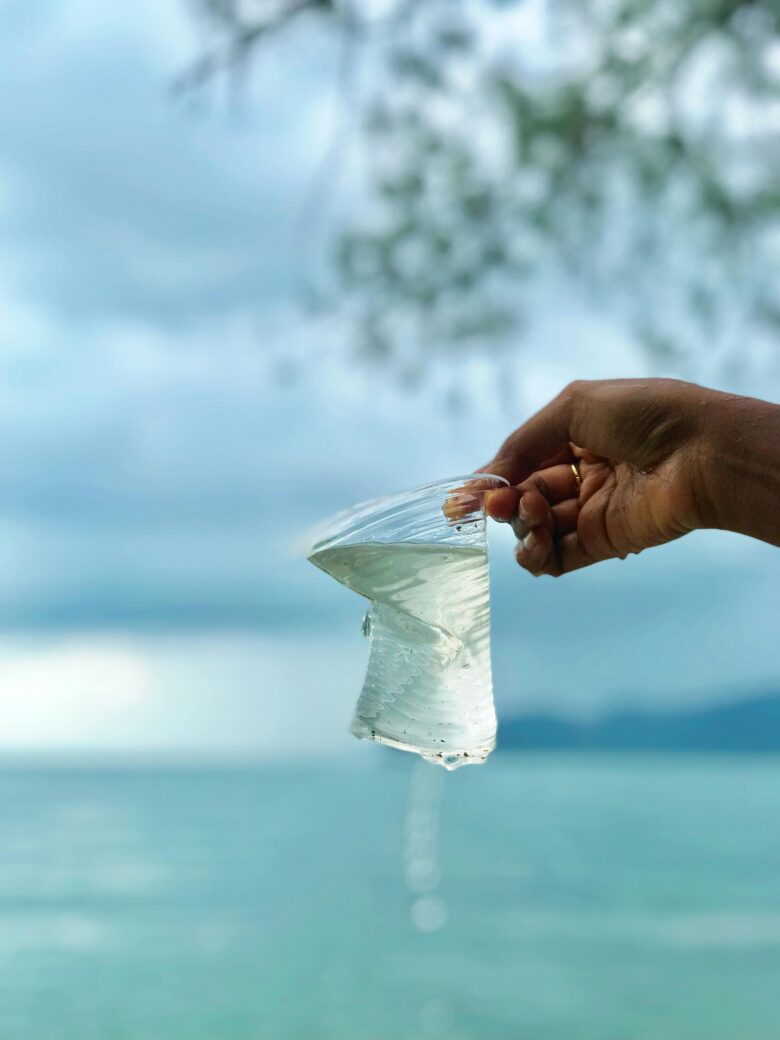
A successful Smigus-Dyngus does not require buckets or elaborate setups. Choose a safe space, like a garden or courtyard. Agree on “light splashes only.” Use clean water and small containers so everyone stays comfortable and can dry quickly. Keep a mat at the entrance to avoid slipping, and wipe up any drips on floors right away. If the weather is chilly, shorten the outdoor part and move to a cozy chat indoors. The aim is connection, not surprise attacks. When people feel respected, they remember the laughter, not the laundry.
Stories That Carry The Tradition Forward
Many families have gentle rituals that make the day memorable. One aunt of mine taps each guest’s hand with a drop of water and says a short wish for health and peace. Children often invent their own “permission signals,” like holding out a sleeve to accept a sprinkle. These small inventions keep the tradition fresh while staying considerate. They also make the custom easy to share with friends who are discovering it for the first time, including visitors from abroad.
How To Talk About It With Kids
Explaining the day to children is an opportunity to teach empathy. You can say that water stands for a fresh start, and that the most important rule is kindness. Show them how to ask, “May I sprinkle a little?” and how to accept a polite “no” with a smile. Encourage them to help set towels, collect empty cups, and thank everyone who participated. When children learn to pair fun with care, they carry that lesson into other parts of life.
Enjoy The Day And Balance The Rest
Smigus-Dyngus fits naturally into the Easter weekend. After the splash, people often share a light snack, finish leftover mazurek or cheesecake, and call relatives to send holiday wishes. If someone prefers to watch rather than join, that is completely fine. The custom is inclusive when participation is a choice. Later, a short walk, some fresh air, and a warm drink bring the day to a calm close.
Why This Tradition Endures
Smigus-Dyngus lasts because it is simple, friendly, and adaptable. It honors renewal without pressure, and it invites families to create moments that are both safe and joyful. In a busy world, a brief pause to smile, ask permission, and share a symbolic splash is a gentle reminder that community can be built with very small gestures. Keep it light, keep it respectful, and the tradition will feel welcome year after year.
A Kind Spring Hello
If you have never tried Smigus-Dyngus, consider a very small, consent-based version at home with people who want to join. Agree on the plan, share a few laughs, and keep everyone comfortable. The heart of the custom is not how much water you use, but how warmly you treat each other. That spirit makes Easter Monday brighter and sets a positive tone for the season ahead.