THE EVERYDAY CLASSIC: KOTLET MIELONY
If you grew up in Poland, chances are you’ve had mielony more times than you can count. It’s one of those comforting, everyday meals that feels like home. This simple minced-meat cutlet is usually made from pork or beef, mixed with a soaked bread roll and an egg, then fried to golden perfection.
What truly makes it iconic is the plate it arrives on: mashed potatoes, a scoop of sauerkraut, or maybe some grated beets. I remember grabbing a quick lunch at a small local bar, where a warm mielony felt like the most honest food in the world—simple, filling, and full of nostalgia.
THE TRADITIONAL FAVORITE: SLOW-COOKED “SZTUKA MIĘSA” WITH HORSERADISH SAUCE
This dish is one of the oldest pillars of Polish cuisine. Imagine tender beef simmered slowly in broth until it’s soft enough to cut with a fork. Serve it with a creamy horseradish sauce, and you understand why old cookbooks praised it as a meal worthy of kings. Even today, it’s one of those dishes that show up at classic restaurants and always remind people of Sunday dinners with family.
CREAMY AND COMFORTING: VEAL PAPRYKARZ
This dish owes its roots to Hungarian culinary influence but has become a local favorite. Soft veal cubes stewed with garlic, paprika, and a touch of sour cream—rich, warming, and deeply satisfying. It pairs beautifully with noodles or potatoes and absolutely must be served with a crunchy pickled cucumber. I once tried paprykarz in a small countryside inn, and it tasted like the cook had learned the recipe from her grandmother.
A ROYAL TOUCH: POLISH ZRAZY
You can’t talk about Polish cooking without mentioning zrazy. These rolled or beaten slices of beef, stuffed with onions, pickles, or even mushrooms, have been celebrated since the times of Polish nobility. Served with buckwheat groats, they’re hearty, flavorful, and incredibly rich. It’s the kind of dish that makes you feel like you’re back in an old manor house, eating by a wooden table with a fireplace crackling nearby.
THE RAW CLASSIC: TATAR STEAK
Tatar steak is not just a dish—it’s a ritual. Finely chopped raw beef, seasoned with onion, pickles, pepper, and a raw egg yolk on top. It may sound bold, but for many Poles it’s a must-have appetizer at celebrations or family gatherings. The key is fresh, high-quality ingredients. I remember the first time I tried tatar at a wedding—it completely changed my view of raw dishes.
EVERYDAY COMFORT: PORK GULASZ
Though inspired by Hungarian goulash, the Polish version is very much its own thing. Thick, savory, and full of soft pork cubes, it often appears in canteens and home kitchens. It’s simple, filling, and tastes amazing over mashed potatoes or poured over a crispy potato pancake. It’s one of those meals you cook on a rainy day when you want something warm and cozy.
THE LEGENDARY FAVORITE: PORK KNUCKLE (GOLONKA)
Golonka is a true feast dish—soft, fatty, and deeply flavorful. Slow-cooked with spices and served with mustard or horseradish, it’s a staple of roadside inns and traditional taverns. Although it originally came from German cuisine, it has become so rooted in Polish food culture that most people treat it as a national specialty.
THE CLASSIC “DEWOLAJ”: KOTLET DE VOLAILLE
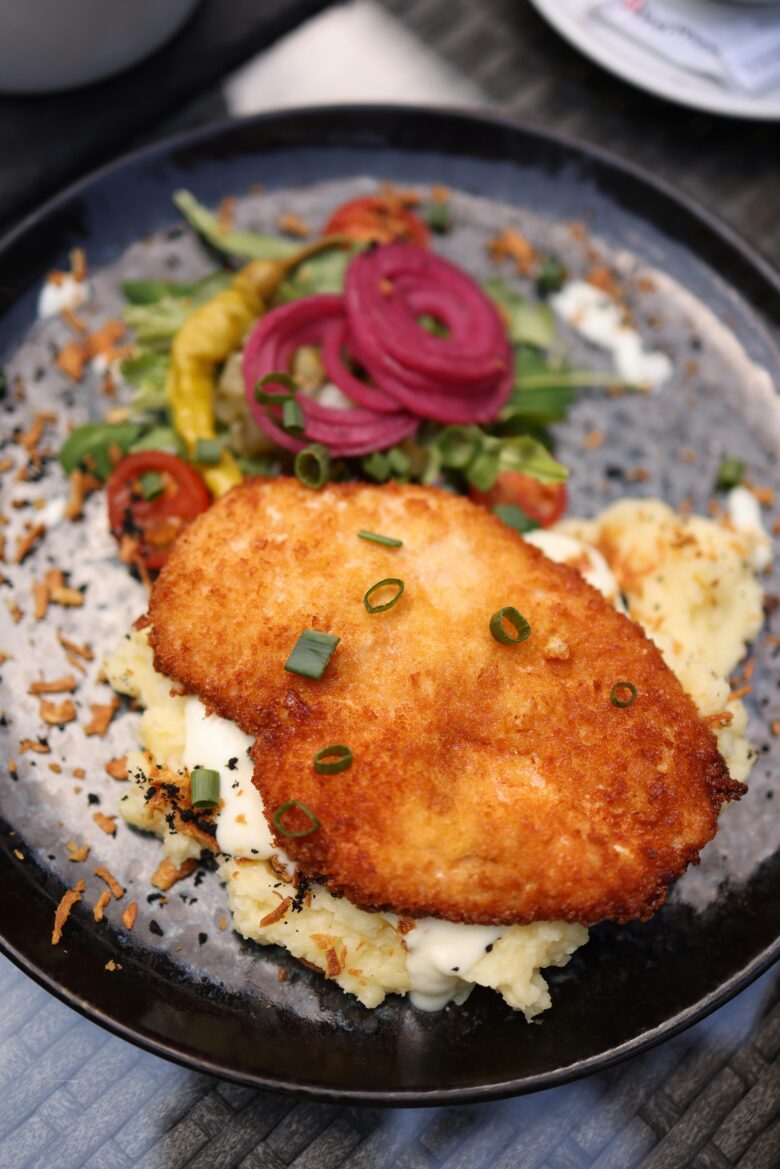
Despite the French-sounding name, this chicken cutlet with a melting butter center traveled to Poland through Russia. Crispy on the outside and juicy inside, de volaille was once considered the height of elegance. Today, you’ll find it in many home-style restaurants, often paired with potatoes and a fresh salad. When you cut into it and the butter flows out, you understand why it became a classic.
A FESTIVE TREAT: ROAST DUCK WITH APPLES AND MARJORAM
Few smells beat the aroma of roast duck in the oven—especially when it’s stuffed with apples and seasoned with marjoram. It’s a dish that often appears at holiday tables. In some regions, it’s served with steamed dumplings and red cabbage. It’s rich, aromatic, and unforgettable.
THE NATIONAL SYMBOL: BIGOS
No list of Polish meat dishes is complete without bigos. This slow-cooked mix of sauerkraut, fresh cabbage, and several kinds of meat develops deeper flavor with each reheating. Every family has its own recipe, and tasting bigos is like tasting someone’s home traditions. If there’s one dish that truly defines Polish cuisine, this is it.
These ten dishes are only a glimpse of the rich world of Polish cooking. Each recipe carries its own story—passed down from grandparents, perfected in home kitchens, and remembered with warmth. And as anyone who has ever tasted these classics knows, Polish cuisine is far more than just schabowy. It’s a whole world of comfort, flavor, and tradition that keeps evolving while staying beautifully familiar.