Where wild hills meet warm kitchens
Podkarpacie, the Subcarpathia region in south-east Poland, steals hearts with Bieszczady’s wild slopes and castles like Łańcut, but the real hook is the kitchen. It’s humble, clever and very human. Dishes were born on farms and in forest hamlets, so they use what people had on hand: potatoes, cabbage, flour, dairy. Simple on paper, yes, but the flavours grow big, like stories told long after dinner. I still remember rolling into a small guesthouse after a rainy hike, shoes muddy, stomach loud, and getting a plate that looked plain—and then it just… sang.
Proziaki: soda breads with a soft punch
If there is one bite that spells Subcarpathia, it’s proziaki. Locals call baking soda “proza,” so the name kinda explains itself. The dough gets a splash of whey or buttermilk, which makes it fluffy inside, then it’s baked right on a hot iron plate, without oil. Eat them warm, break them with your hands, smear a rude amount of garlic butter on top and don’t appologize. I once grabbed proziaki straight off a farmhouse griddle and burnt my fingers a bit, but honestly, no regreats—crispy edge, tender heart, salty butter running down like a tiny river.
Funny names, honest food
Borderland kitchens love playful words. On Podkarpacie menus you’ll see krężałki, bulwiok, małdrzyk, szabanka or bałabuchy. They sound exotic, but most are comfort plates built from potatoes, cabbage and flour, shaped by hard work and smart thrift. It’s the kind of food that travels easily from field to table and leaves you full enough to finish the day. When I asked a cook in Jarosław what “bulwiok” really is, she smiled and said, “Just good potato doing it’s job.” Hard to argue with that kind of wisdom.
Lemko echoes in the pot
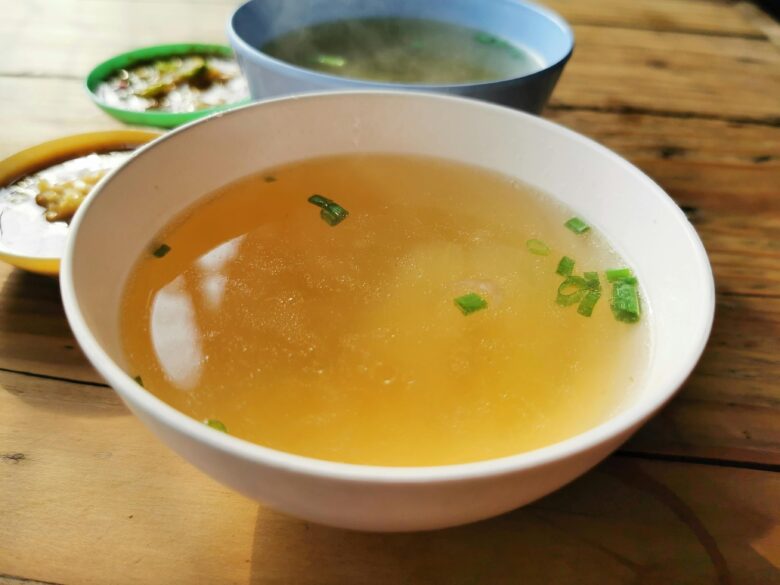
The Lemko people—an ethnic group with their own customs and even Cyrillic script—left a deep taste-print here. In Lemko homes you meet warianka, a clear, soulful broth sometimes escorting a lone pieróg, and kysiłeyca, a tangy sour soup that wakes you up better than coffee. My personal crush is homiłky: little dried balls of farmer’s cheese with a kiss of mint, snackable like peanuts. Then there’s opalanok, a potato cake baked on a cabbage leaf, and its cousin tertianyk. They smell of wood stoves and quiet evenings. Eat them slowly; they tell stories if you listen.
Bieszczady: shepherd trails and cheeses that talk back
High in Bieszczady the old Wallachian shepherd culture still breathes. Follow a ridge trail and you might stumble upon a bacówka, a shepherd’s hut where sheep’s milk turns into cheeses that squeak on your teeth. Some farms keep goats now, too, and the small dairies sell rounds with herbal edges or smoke-dark rinds. I once traded a helping hand stacking wood for a warm slice from the vat—salty, elastic, almost sweet. If you want to understand the mountains, taste their milk first. Bring cash; some huts don’t do cards, and you don’t want to walk away empty-handed becouse the signal failed.
Rivers, raftsmen and a crust you can hear
Down by the San River, Ulanów built its legend on the water. The old flisacy—river raftsmen—needed food that survived long days, and the answer was chrupacki, a crackly “raftsmen bread” whose crust breaks with a sound you actually hear. Pair it with flisacki żur, a sour rye soup that warms the hands and keeps spirits up when the wind turns. A Lasowiacy thread runs through these recipes—the forest folk who lived between the Vistula and San. Try their chopcie lasowiackie, cabbage rolls stuffed with millet, and see how a humble grain can taste rich when cooked by someone patient.
Plum power, cornelian joy and a jar to take home
Krzeszów took the simple plum and turned it into art. Their powidła śliwkowe—plum butter cooked forever in big copper kettles without any sugar—are in a different league. Thick, shiny, deeply fruity, almost smoky. I once left with a warm jar wrapped in newspaper and had to keep it on the train seat like it was a baby. Not far away, the Arboretum in Bolestraszyce throws an autumn festa for dereń (cornelian cherry), sometimes called the “Polish olive.” You’ll find syrups, spreads, even little drinks with a tart note that makes your mouth sit up straighter. If you see a stall with red jars, buy first, ask later—you won’t regret what you just commited to.
A biscuit with a city’s memory
Jarosław carries a sweet emblem: the famous biszkopty jarosławskie, sponge biscuits with roots reaching back to the late 19th century and the steam-powered factory of Stanisław Gurgul. They look modest, but they age beautifully next to tea or layered in homemade cakes. My hostess dipped them in strong coffee, dusted a little cocoa, and suddenly we had dessert that felt both old and perfectly now. Food nostalgia is a real currency here, and those biscuits spend very well.
Wine routes and old recipes reborn
You wouldn’t expect vineyards in a place people call “surowy,” a bit stern, but the last years changed the map. Dozens of wineries grew around Jasło, near Rzeszów and even by Krzeszów. The Jasło Wine Route and the wider Podkarpacki Wine Route connect cellar doors you can actually walk into, taste, chat, learn. Whites show crisp orchard notes, reds are getting braver every year, and the hospitality is disarming. Parallel to wine, the “Szlak Dawnych Receptur” follows historic distilling—spots where high-proof traditions quietly survived. Taste responsibly; country hospitality can be very persuassive.
How to eat Podkarpacie like a local
Go early for proziaki so you get them hot and soft; ask for garlic butter even if it’s not on the board. If you hike, plan a loop that passes a bacówka and carry small bills in case the card terminal decides it’s on vacation. In Ulanów, look for that chrupacki loaf and don’t be shy to knock on a tiny bakery door; the best crusts hide off the main street. When you’re in Bolestraszyce in late season, follow your nose to dereń stands, and if someone offers a tiny tasting cup, accept and smile. In Jarosław, buy two packs of biscuits—one for now, one for later—because you will eat the first bag “by accident” on the way back to your accomodation.
Final spoon
Podkarpacie cuisine doesn’t chase trends; it chases warmth, usefulness and truth. It’s borderland food with a big heart and a bigger memory—from bubbly proziaki to mint-fresh homiłky, from mountain cheeses to river breads, from sugar-free plum butter to young wines that surprize you at sunset. Come hungry, leave slower, and pack a jar or two for the road. Your suitcase might smell like smoke and fruit for a week, but every time you open it, you’ll remember why you came—and why you’ll definietly come back.