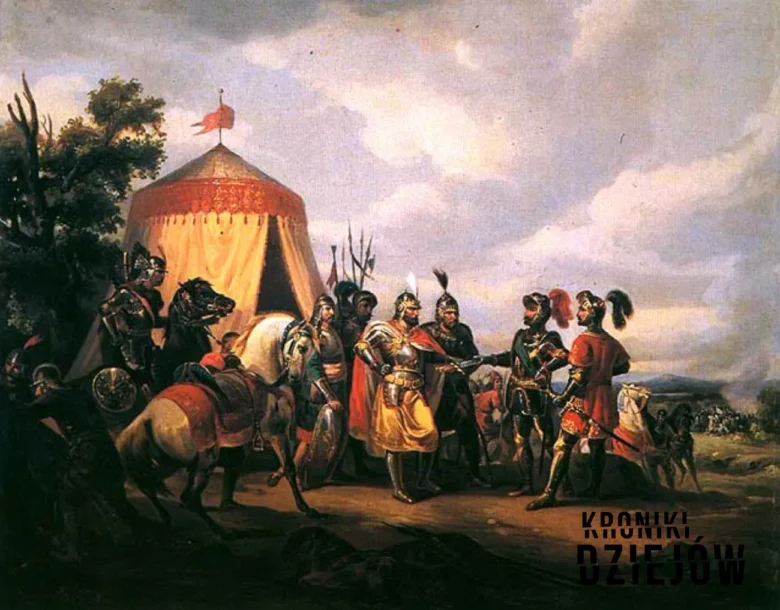
War has shaped the fate of almost every nation, and Poland is no exception. Between the 10th and 20th centuries, Polish soldiers fought in dozens of major battles – some glorious victories, some bitter defeats, many with consequences far beyond Poland’s borders. If you’re interested in history, these battles are not just dry dates from …
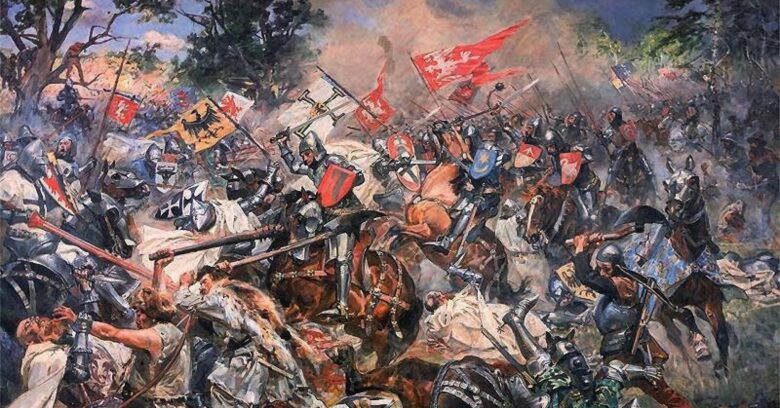
A COLD MORNING, A KING AT PRAYER Imagine a Tuesday morning in July. It is 15 July 1410. The night storm has just passed, the air is cold, the fields are wet, and forty thousand Polish and Lithuanian soldiers are trying to wake up, saddle their horses and move through muddy roads. Around eight o’clock …
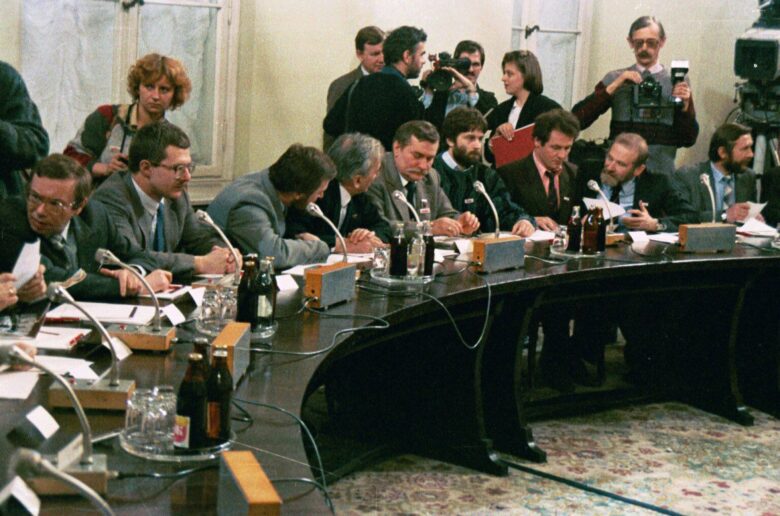
A PHOTO THAT STILL FEELS LOUD There’s an old newsreel clip I can’t forget: a long table, ashtrays, microphones, faces set in careful calm. No fireworks, no dramatic speeches—just people talking. Yet that quiet scene from early 1989 helped turn a one-party state into a democracy. The Polish Round Table Talks didn’t look like a …
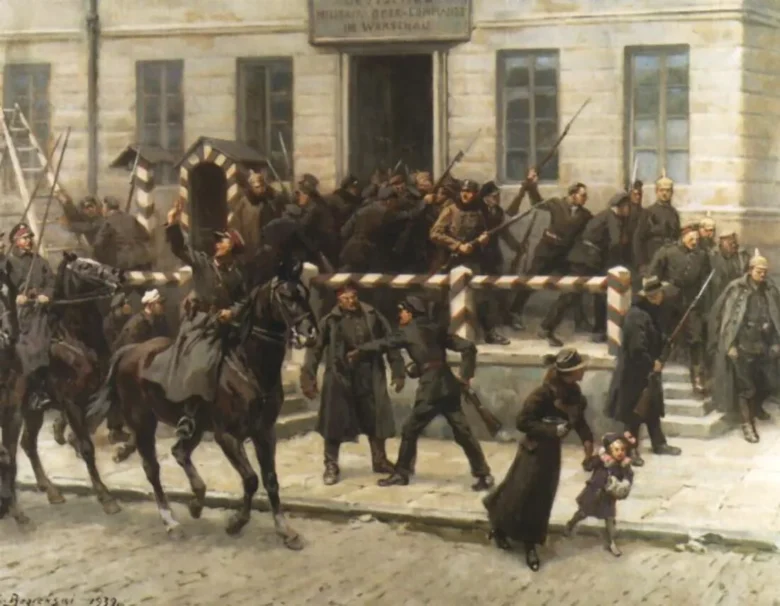
A DATE THAT ENDED A VERY LONG NIGHT November 11, 1918 marks the moment Poland returned to the map after 123 years of partitions. The Great War ended with the armistice in Compiègne, empires collapsed, and a narrow window opened for a nation that had kept its language, songs and stubborn hope alive. On that …
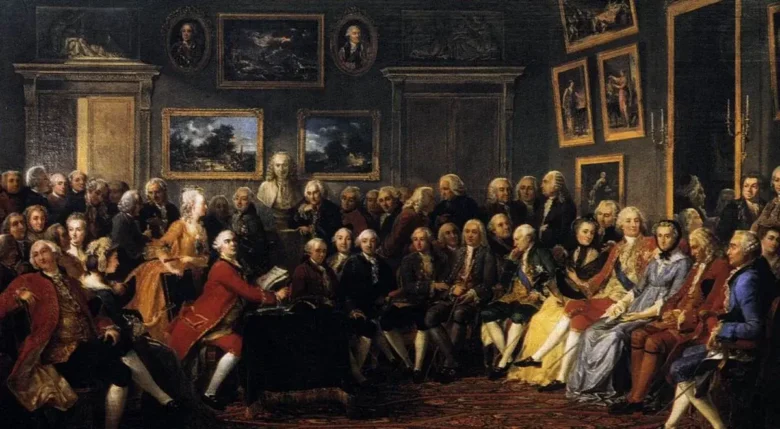
A EUROPEAN FIRST WITH GLOBAL COURAGE When people hear “May 3,” many just think of a long weekend and spring sunshine. Yet May 3, 1791 marks a bold moment when the Polish–Lithuanian Commonwealth wrote a modern rulebook for public life. The May 3 Constitution was the first in Europe and the second in the world …
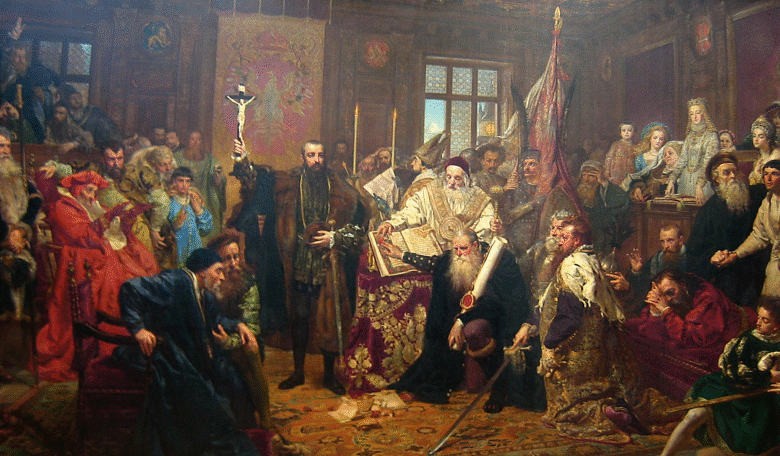
A summer day that changed a map On July 1, 1569, delegates in the city of Lublin signed an agreement that sounds simple but felt revolutionary: the Kingdom of Poland and the Grand Duchy of Lithuania would act as one political body. It wasn’t just a handshake across a border. It was a choice to …
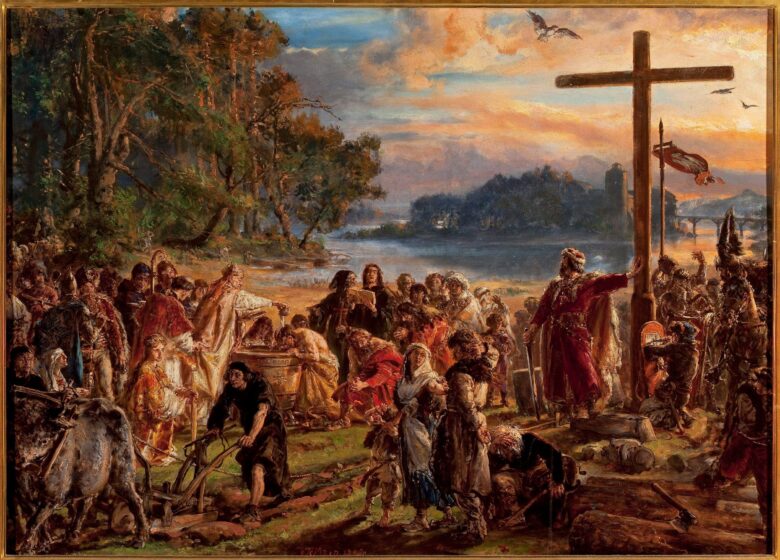
The date that began a country When you see the number 966, it looks like a neat pin on a timeline, but real life is messier. Historians treat the baptism of Mieszko I and his court as the symbolic beginning of Polish statehood, most likely celebrated on Holy Saturday around April 14, 966. It wasn’t …