ALL SAINTS’ DAY AND ALL SOULS’ DAY IN POLAND: REMEMBRANCE, LIGHT, AND QUIET COMMUNITY
Why These Two November Days Matter
The first days of November in Poland carry a special calm. Shops close early, flower stalls bloom with color, and families plan evening walks to local cemeteries. November 1 is All Saints’ Day, a time to honor all who lived with goodness, whether widely known or not. November 2 is All Souls’ Day, focused on praying for the departed and keeping their memory alive. Even if someone isn’t religious, many still visit graves, tidy the stones, and light a candle. The ritual is simple and dignified, and it gently slows a busy life so people can say thank you to those who shaped them.
A Short History In Clear Words
Centuries ago, Christian communities began dedicating a common feast to honor holy lives. Over time this widened to “all saints,” and the date settled on November 1 in many places. The next day, All Souls’ Day, grew from the human need to remember the departed with hope and care. You can read long timelines about who moved which date, but the heart of it is easy to feel: people need space to honor role models and to keep bonds with loved ones who have died. That purpose remains steady, even as cities and customs change.
What The Days Look Like In Practice
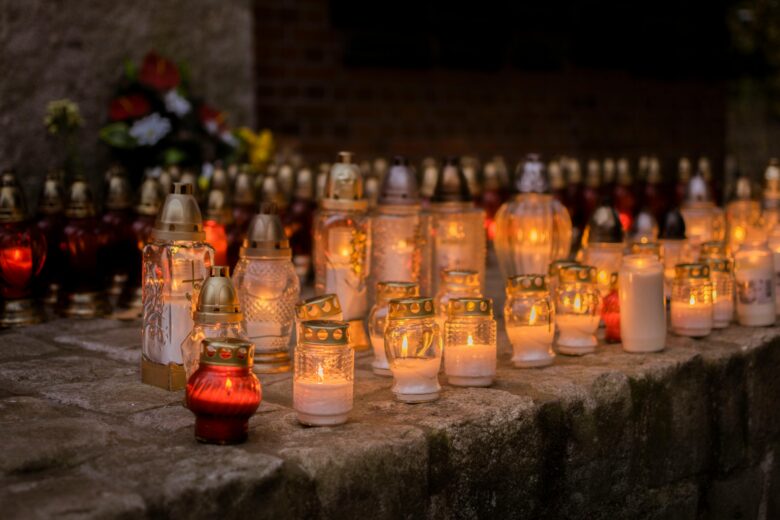
Morning brings the practical tasks. Families choose chrysanthemums, candles protected by glass, and sometimes a small lantern for each name. By late afternoon paths fill with quiet conversation. As dusk falls, cemeteries glow like fields of stars. Some visitors pray aloud, some read a psalm on a phone, some simply stand in silence. You will see cousins who haven’t met since last year, neighbors who exchange a nod, and children learning how to hold a match against the wind. It’s a rare moment when public space feels both intimate and respectful.
A Personal Moment That Explains The Mood
One rainy November, I met a woman struggling to light a candle; the wind kept winning. We cupped our hands around the flame together until it finally caught. We didn’t exchange names, just a quick “thank you.” It lasted ten seconds, but the feeling stayed. These days work not because they are grand, but because they turn small courtesies into shared strength. You help, you are helped, and the path feels warmer.
Why Candles And Flowers Matter
Candles—znicze—do more than decorate. Flame stands for remembrance, care, and the hope that love outlives loss. The small act of lighting a candle gives your hands a task and your mind a pause. Flowers add color to gray weather and say, “we did not forget.” If money is tight, one lantern is enough. Meaning isn’t measured in the number of wicks. Many people also place a spare candle on a neglected grave nearby. It’s a quiet gesture that turns memory into community.
Visiting With Care: Etiquette That Keeps It Peaceful
Cemeteries are places of dignity, not tourist spots. Keeping voices low, giving space on narrow paths, and avoiding photos of strangers are simple ways to show respect. If you bring children, explain what will happen and offer them a small role, like dusting a stone with a cloth or placing a single flower. If someone around you is grieving freshly, a gentle nod is often better than many words. These small choices keep the atmosphere calm for everyone, regardless of their level of faith.
Talking About Loss With Children
Kids ask brave questions. A clear, kind answer usually works best: we visit to remember and to say thank you; candles mean we care; stories keep a person close even when we cannot see them. Giving children a task turns worry into tenderness. Afterward, a warm drink and a simple memory—how grandpa loved apples, how auntie laughed at old jokes—helps them connect the ritual to real life.
Practical Tips So The Evening Flows Smoothly
Traffic near large cemeteries can be heavy around sunset. If possible, arrive earlier or use public transport. Wear comfortable shoes and warm layers, since November weather can change quickly. Choose lanterns with stable bases and carry matches or a windproof lighter. Bring a small bag for old plastic tops or used candles so you can leave the site cleaner than you found it. If an older relative has limited mobility, plan a short route with one meaningful stop; the value of the visit lies in presence, not distance walked.
Accessibility And Eco-Friendly Choices
Good habits make the tradition stronger. If you can, group rides with family or friends, or choose public transport to reduce congestion. Consider long-burn candles to avoid repeated relighting and to lower waste. Take all packaging home for proper disposal. If the ground is uneven, offer an arm to anyone who might need support. These thoughtful steps protect both people and the places that hold our memories.
Different Paths, Shared Purpose
Not everyone observes in the same way. Some pray in groups; others keep a silent minute. Some bring large bouquets; others bring a simple sprig from a garden. You may see people visiting military plots, old graves without family, or different religious sections of the cemetery. The common thread is respect. These days are not about proving who remembers best. They are about making room for many ways of caring, side by side, without noise or pressure.
The Value These Days Give Back
Modern life is fast. The first days of November return a sense of balance. They create a pause in the calendar where gratitude and memory can breathe. You stand in a place where many stories ended and notice that love continues to work in quiet ways—through habits we keep, kindness we show, and names we speak aloud so they do not fade. That recognition often changes the week that follows. People call a relative, write a long-delayed message, or simply walk a little softer.
A Warm Close For Cold Evenings
When you come home and the scent of wax lingers on your coat, keep one small practice. Place a tea light on a windowsill for an hour, think of a person you miss, and name one good lesson they left you. All Saints’ Day and All Souls’ Day are not only about cemeteries; they are about how we carry memory into daily life. With a candle, a story, and a few quiet steps, November becomes more than dark weather. It becomes a season of gentle light and steady gratitude.