A view that rewards patience
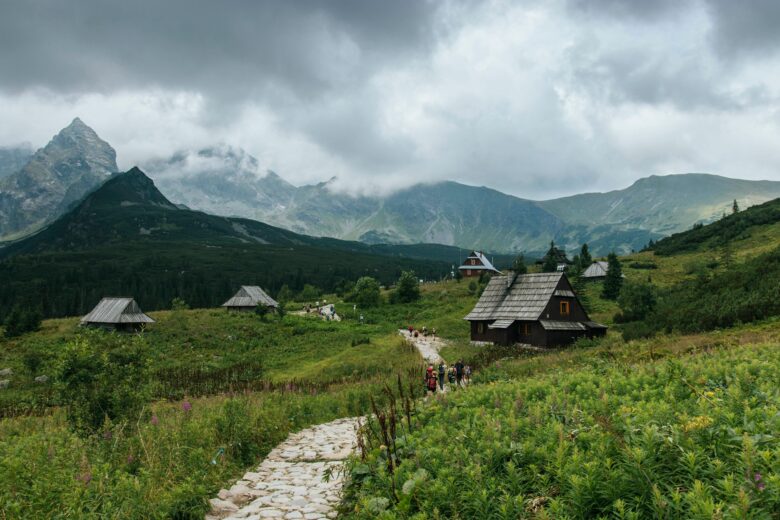
High above the Valley of Five Lakes the silhouettes on the trail look like a quiet procession. That sight is calming not because it is dramatic, but because it proves the simple progress of a good day outdoors. This guide tells the story of a classic route past Wodogrzmoty Mickiewicza and Siklawa to Krzyżne Pass, written for visitors who want beautiful views and responsible choices. The focus is on clear information, practical pacing, and safety details that help make your trip enjoyable and compliant with local rules and good practice.
Starting calmly from Palenica Białczańska
Many hikers begin at Palenica Białczańska and follow the path toward Wodogrzmoty Mickiewicza. Early hours are best for a quieter trail and steadier rhythm. The waterfalls are a natural pause point and a reminder that this route is about chapters, not sprints. Paths in this area are well marked; staying on them protects you and the fragile environment. If you are visiting with children or less experienced friends, agree on a turnaround time before you start and keep an eye on weather, which can change quickly in the Tatras.
Roztoka Valley, where pace finds you
Beyond the falls the trail softens through Roztoka Valley. The sound of the stream and the shade of spruce make this section a natural place to settle into your own pace. It is roughly five kilometers of steady walking beside the Roztoka stream, long enough for nerves to ease and breathing to steady. I like to check in with myself at the first small bridge: if water, layers, and energy feel balanced, the day usually continues well. If anything feels off, this is a sensible place to adjust or even shorten plans without pressure.
Siklawa and the first big lift
The route rises toward Siklawa, the tallest waterfall on a marked trail in Poland. Even a brief stop is worth it. The spray cools, the sound resets your thoughts, and the steps ahead feel more focused. Rocks here can be damp even on bright days, so precise footing matters. Simple choices like tightening your pack, stowing loose straps, and keeping hands free for balance make this part smoother and safer for you and others around you.
A quiet break by Wielki Staw Polski
After the climb, Wielki Staw Polski opens like a reflective mirror. This is a gentle place to rest, eat, and layer up if wind comes off the water. Take a moment to look back at the path you have covered; it helps you judge timing for the rest of the day. If you are new to the Tatras, resist the urge to rush onward. Meaningful photos arrive when your breath slows and your mind settles. Leave no litter, respect shoreline plants, and give other visitors room to enjoy the same calm.
Seasonal note about the black-marked approach
From the lake you can see the black-marked route that becomes the main access to the Valley of Five Lakes in winter. In snowy months flags indicate a safe line when dwarf pines vanish under snow. Conditions in winter are very different from summer; always check official advisories, consider avalanche education for snow season, and never rely only on summer memory. Using a licensed guide is a smart choice if you lack winter mountain experience.
A small incident that teaches a big lesson
Close to Krzyżne I once heard a short, sharp clatter and watched a fist-sized stone pass in front of a descending group. No one was harmed, but it was a clear reminder that rockfall can occur even on popular routes. Keeping distance between groups, avoiding stops under loose slopes, and wearing a lightweight helmet on steeper terrain are reasonable precautions. The Tatras are welcoming, but they are also real mountains; respect turns a good day into a great one.
The panorama that makes time slow
From Krzyżne Pass the High Tatras unfold in a broad sweep. The Valley of Five Lakes sits below like a natural amphitheater, and Wielka Siklawa marks the route you climbed. On clear days you will recognize the line of famous summits in both Poland and Slovakia, including Rysy and, across the border, the mighty Gerlach. You do not need a perfect 360-degree photo to remember this moment. Stand back from the edge, keep your pack secure, and allow a few quiet minutes for the view to sink in before you begin the descent.
Route facts presented simply
On a good-weather day many hikers complete this outing in about five hours and a quarter of moving time, with a total distance near eleven kilometers and approximately 1,289 meters of elevation gain. Numbers are helpful for planning but do not replace judgment. What matters most is listening to your group, watching the sky, and making early decisions if pace falls behind plan. Good footwear with grip, a breathable shell, sun protection, and enough water will improve comfort at every step.
Respectful hiking choices that add up
Adherence to marked trails protects habitats and reduces accidents. Checking current information from the Tatra National Park before departure ensures that temporary closures, conservation zones, or weather advisories are respected. Packing out all trash, minimizing noise, and giving wildlife space are basic courtesies that keep the experience high-quality for everyone. If you share the path with runners or families, small kindnesses—like stepping aside at narrow points—make the mountain day safer and calmer for all.
Food, breaks, and energy that lasts
Light, frequent snacks keep energy steady better than one heavy meal. A thermos with tea or water encourages regular hydration. Short, planned pauses work better than long, unscheduled stops in exposed places. If you are sensitive to cold, thin gloves and a hat belong in your pack even in summer; wind at passes can surprise. Trekking poles help on the final approach and during descent, especially when legs feel the day’s vertical gain.
Ending with care and gratitude
The descent repeats familiar scenes in a softer light, and this is where attention matters as much as on the way up. Tired feet stumble more easily; slowing slightly reduces strain without erasing the day’s achievement. Back at the valley floor, take a moment to appreciate the simple fact that safe choices brought you home on time. The Tatras remain a protected landscape, and every respectful visit helps keep them that way for future hikers.
A RESPONSIBLE MEMORY TO TAKE HOME
This route offers what many travelers seek in Poland’s mountains: a clear path through living nature, a dramatic waterfall, a quiet lake, and a pass that opens a horizon wide enough to change your mood. Plan thoughtfully, follow official guidance, and keep safety in front of speed. You will return with photos you value, calmer thoughts, and a memory that feels earned rather than rushed—exactly the kind of experience that turns a good trip into a lasting story.