The wild heart of Poland, calm and unforgettable
Biebrza National Park is the largest and one of the most pristine nature areas in Poland. Imagine wide marshes that smell like fresh rain, a quiet river drawing lazy curves through reeds, and morning fog lifting to reveal silhouettes of elk-sized shapes. People come here to slow down, breathe clean air, and meet wildlife on its own terms. If you hope to see a moose, plan for early morning or just before sunset and keep a respectful distance. The reward is not just a photo; it’s the feeling that nature still writes the schedule here.
When and how to watch wildlife responsibly
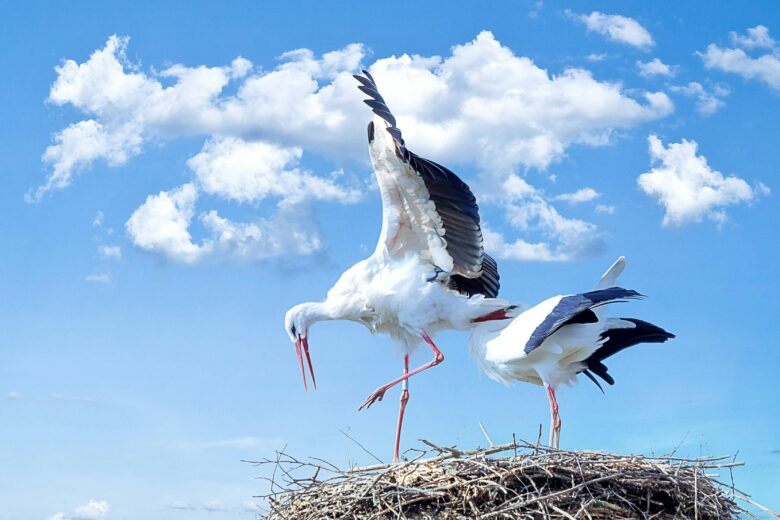
This park is famous for moose, but also for rich birdlife: geese, cranes, storks and many wetland species. The most meaningful encounters happen when visitors stay quiet, stick to marked trails, and use binoculars instead of stepping off the path. Spring can be spectacular with high water and bird migrations, while late summer and early autumn offer long, soft afternoons. Check current access rules on the official park website before you go; seasonal closures protect breeding birds and fragile bog habitats and help keep everyone safe.
Osowiec Fortress and the first taste of the wetlands
A great start is Osowiec Fortress, a 19th-century stronghold that tells the human story of a very wild place. Entry is typically with a guide and on set days, so review hours in advance. After the tour, step straight into nature from the Park HQ on short, well-marked paths. The loop to a viewpoint over the Biebrza valley shows the classic panorama: green, flat, and seemingly endless. It’s an easy introduction for families and a reminder that the best photos usually come after you put the phone down for a minute.
The Tsar’s Road and boardwalks across living bogs
Locals call Carska Droga the “Moose Road” for a reason. This scenic strip links Osowiec with Strękowa Góra and offers frequent pull-offs for short walks into the wetlands. Drive carefully and watch for animals crossing. For a gentle first boardwalk, choose Długa Luka: a straight wooden path to a lookout where wind, birdsong, and marsh silence trade places. Nearby viewpoints open over vast peatlands like Bagno Ławki, where the horizon feels far away and time slows. Bring a light jacket even on sunny days; weather can turn quickly over open wetlands.
Deeper routes for visitors with time and good boots
If you want more immersion, try Grobla Honczarowska, a longer there-and-back that leads toward the river through active peat. Another option is the Barwik–Gugny section, which can be demanding in early spring or after rain. Waterproof boots are essential and a GPS track helps where markings are sparse. These routes are about moving slowly and noticing details—patterns in sedge, the sudden lift of a snipe, the quiet sound of water under mats of moss. If conditions look questionable, choose a drier alternative; the park’s rules exist to protect both visitors and habitats.
Active days: running, cycling, and kayaking
Runners will find peaceful loops where the soundtrack is wind through pines and the occasional deer stepping off the path. Cyclists can connect sections of the Green Velo route and the Podlasie Stork Trail; near the park’s southern edge they share the same road as Carska Droga. Ride with lights, respect speed limits, and use designated rest areas rather than stopping on narrow shoulders. On the water, Biebrza is gentle but meandering. Popular kayak days include a relaxed paddle to Goniądz or a longer outing finishing near Osowiec. Life vests for every person in the boat are a must, and it’s smart to check river levels, wind, and any water-route notices the morning you go.
Staying nearby: quiet bases that make mornings easy
Agrotourism stays around Mońki and small villages near the park offer simple comforts, early breakfasts, and local advice that guidebooks can’t match. Rooms are often basic but cozy, with garden views and space to rinse boots after a muddy day. Families appreciate kitchen access and outdoor corners for children; cyclists should ask about secure storage, rentals, or panniers. Many hosts can arrange kayaks, transfers, or safe parking for a day in the wetlands. Reserve ahead in school holidays and spring bird season; small places fill quickly when the marshes are at their best.
Eating well: local plates with honest flavors
The food culture here leans toward warmth and practicality. You’ll find sour rye soup, potato bakes with mushroom sauces, and river fish prepared simply. After a long walk, even fresh bread with butter feels like a small feast. Menus change with seasons and deliveries; it’s common to see short daily cards rather than long lists. If you have dietary preferences or allergies, let the staff know at the start; most kitchens can explain ingredients clearly and suggest suitable options. Prices are generally fair, portions generous, and service unhurried.
Practical essentials for a safe, low-impact visit
Biebrza is a protected area with fragile ground underfoot, so walk only on signed paths and boardwalks and never enter closed zones. Buy the required entry tickets for land or water routes through the official channels; rules and fees can change, and the most accurate information is always on the park site or at visitor centers. Pack binoculars, sun protection, and a lightweight rain layer. In shoulder seasons, add warm layers and waterproof footwear. Keep a respectful distance from wildlife and other visitors, carry out all trash, and avoid drones unless expressly permitted. If you plan to photograph at dawn or dusk, tell your accommodation when you expect to return and take a charged phone and a small headlamp.
FINAL THOUGHTS: A PLACE THAT TEACHES YOU TO SLOW DOWN
Biebrza National Park isn’t a checklist attraction. It’s a living wetland where patience turns into memories: the first booming call of a crane, the slow blink of a moose across reeds, a kayak drifting while clouds edge across calm water. Plan thoughtfully, follow park guidance, and travel lightly. You’ll leave with clearer lungs, quieter thoughts, and the kind of photos that smell of morning air every time you look at them. And when you think about Poland again, you’ll remember that a true wilderness still flows, calmly, in the heart of Podlasie.