TRADITION THAT CHANGES EVEN WHEN WE PRETEND IT DOESN’T
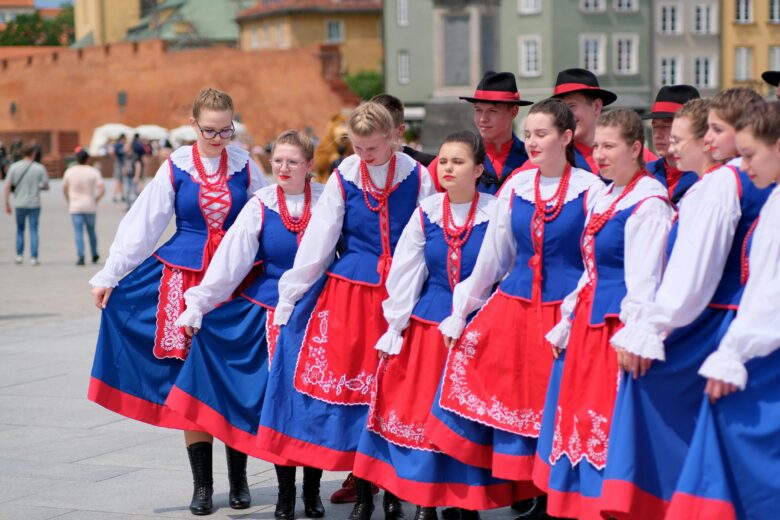
When people talk about Polish traditions, they often imagine something solemn: folk costumes, patriotic speeches, hymns, or old rural rituals. From the outside, these customs may look eternal and unchangeable. But in real life they are much more alive. They shift, fade, return in new forms, and often adapt quietly to the rhythm of modern life.
Many of us have experienced that moment when a grandmother tells stories about old customs from the village, and we think, “That feels like another century.” Yet minutes later we’re helping our child prepare for St. Nicholas Day at preschool, joining a local harvest festival, or buying doughnuts on Fat Thursday “because that’s what we do.” That is exactly how Polish tradition works — not as a museum behind glass, but as something that slips naturally into everyday life and shapes it gently.
SPRING: FROM WOMEN’S DAY TO APRIL FOOLS’ LAUGHS
Spring in Poland is a mix of ancient rituals and fresh traditions. Women’s Day on 8 March is a perfect example. Years ago it was associated mainly with a red carnation and a pair of tights. Today it’s more likely a coffee with friends, a handmade card from a preschooler, or a flower from a colleague. The form has changed, but the message stays the same — appreciation and warmth.
The first day of spring once meant parades, burning or drowning the Marzanna doll, and welcoming new life after winter. Today environmental awareness has replaced most of these rituals with nature walks or outdoor games. School students know the day mostly as the “Truancy Day,” while younger children enjoy the moment simply as a chance to go outside and feel the first warm breeze.
Easter is layered with meaning. Blessing the food basket is tied to Christian tradition, but many of the symbols inside — the egg, bread, salt — reach back to pre-Christian beliefs. Even the Easter Bunny is relatively new to Poland, yet now feels impossible to separate from the holiday.
Then comes Wet Monday. For our ancestors, splashing water was meant to cleanse and renew. For modern teenagers it’s mostly a fun excuse to soak each other with water bottles. But even if people don’t realize it, the ritual still carries fragments of its ancient meaning, passed quietly from generation to generation.
SUMMER: FIRE, WATER AND CELEBRATIONS UNDER THE SKY
Summer traditions in Poland are full of atmosphere. Kupala Night, the Slavic celebration of love, fire, and nature, has made a strong return. In ancient times young people searched the forest for the mythical fern flower. Today they search for good photos at bonfire events, but the craving for magic and connection is the same as centuries ago.
St. John’s Night is the Christian reinterpretation of that pagan celebration. Over time it absorbed many Slavic elements — water rituals, wreaths, fire, singing — and blended them with the symbolism of St. John the Baptist. Modern events often focus on concerts, lights, and outdoor gatherings, but the spirit of this shortest night of the year remains unique.
Harvest Festival, or Dożynki, is deeply rooted in rural tradition. My grandparents described it as a time when the whole village celebrated the end of hard fieldwork: music, dancing, shared food, and gratitude. Today many towns and municipalities organize modern versions with stages, performers, and attractions for children. The setting has changed, but the emotion — celebrating work, nature, and community — stays strong.
AUTUMN: REMEMBERING, THANKING AND ENJOYING SMALL MOMENTS
Autumn traditions in Poland smell like roasted potatoes and candle smoke. The Potato Festival, once linked to finishing the harvest, is now a popular family event. Farms invite children for pretend “digging days” to show them that food comes from the ground, not the store shelf.
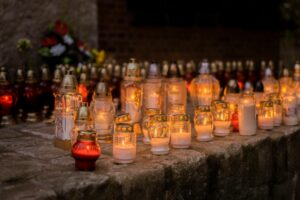
All Souls’ Day brings a different tone. Ancient Slavic beliefs said that the souls of the dead return on that night. People left out food and candles to guide them. Today we visit cemeteries, clean graves, and light candles. Even many nonreligious people follow this tradition, because it has grown into a quiet, universal way of honoring memory.
Newer customs like Teacher’s Day or Boy’s Day also found their place. They don’t have deep historical roots, but they build everyday kindness: a small gift, a thank-you note, a moment of shared fun in the classroom. Sometimes modern traditions unite people as strongly as the old ones.
WINTER: MAGIC, FAMILY AND SWEET TRADITIONS
Winter in Poland would feel incomplete without St. Nicholas Day. For children, it’s one of the most exciting nights of the year — that nervous anticipation of a tiny gift hidden in a shoe or under a pillow. St. Nicholas, now a pop culture icon, still carries the old message of generosity and kindness.
The Christmas tree, nativity scene, and carols make up the heart of Polish winter tradition. Interestingly, the decorated tree arrived in Poland much later than many people think. In my own family, decorating the tree is always a negotiation: one person wants modern lights, someone else wants old-fashioned straw ornaments, and someone insists on keeping the same decorations “because they’re family history.” A single tree holds multiple generations’ ideas of what Christmas should be.
January brings Grandmother’s Day, February brings the last days of Carnival, and then comes Fat Thursday — the unofficial national holiday of doughnuts. One box in the office is enough to make everyone forget their diet. It’s a tradition that proves something very important: rituals don’t have to be solemn to bring people together.
WHY TRADITIONS STILL MATTER TODAY
You don’t need to know every old ritual to feel connected to tradition. Sometimes it’s enough to notice the small gestures — a flower on Women’s Day, a call to your mother on Mother’s Day, a candle lit on a forgotten grave, or a doughnut shared with a coworker.
Polish traditions aren’t meant to pressure us into doing things “the old way.” They exist to create continuity, warmth, and a sense of belonging. You can celebrate Kupala Night with a Spotify playlist instead of a folk band and still carry the spirit of the holiday — joy, closeness, the feeling of being part of something bigger.
In a world where everything changes quickly, traditions offer roots. They remind us who we are, where we come from, and what truly connects us. And that’s why Polish customs, even in their modern, reinvented form, remain so valuable today.