HISTORY, HEARTBEAT, AND HOW TO EXPERIENCE IT
A gentle hello from Kazimierz
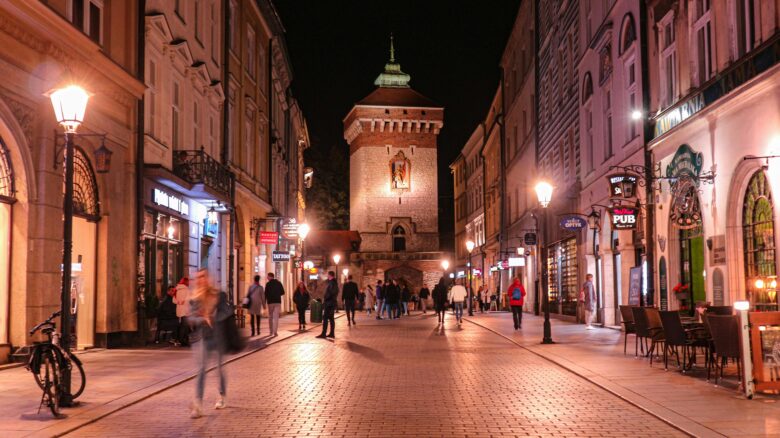
Walk a summer evening down Kraków’s Kazimierz district and you’ll feel it before you see it. The courtyards hum, the cafés breathe out warm light, and music rides the air like a friendly guide. That is the energy of the Jewish Culture Festival, a celebration that grew from a small idea in 1988 into one of Poland’s most recognized cultural events. It isn’t a museum behind glass. It’s a living meeting between memory and the present, where artists, scholars, chefs and neighbors share the same streets for a week and remind us that culture is not a relic, it is a verb.
How it began and why it grew
The festival was started by Janusz Makuch and Krzysztof Gierat to bring back public attention to Jewish history in Poland and to honor the people who shaped it. In the late eighties that was both a cultural and a moral task. What began as a modest program has become a global landmark on Kraków’s calendar. Today hundreds of guests from around the world come to teach, play, discuss and learn. The line between stage and audience often blurs in the best way, because the point isn’t to “present” culture from far away; it is to rebuild a real conversation with it.
What you actually feel on the ground
If you arrive expecting only klezmer standards in a square, you’ll be surprised quickly. The program stretches wide: classical voices and desert blues, avant-garde electronics and sacred chant, film screenings and quiet talks that travel from history to design to food. Mornings can start with Hebrew calligraphy or gaga movement classes, afternoons drift into neighborhood walks where guides connect a doorway to a century of stories, and nights gather into concerts that turn the street into a shared living room. The festival values authenticity, so the people on stage usually carry their tradition from home, not as a costume but as daily language.
Shalom on Szeroka and the big communal moment
The best known night is the open-air concert on Szeroka Street. Locals call it simply “Shalom,” and it has become a kind of summer ritual. Thousands pack the square in front of the Old Synagogue for hours of music that shifts mood without losing heart. You will see families with grandparents, travelers with wide eyes, and musicians who look as thrilled as the crowd. Newspapers once nicknamed it a “Jewish Woodstock.” That’s a big phrase, but the feeling of togetherness is real. If you plan only one night, make it this one and arrive early.
Between tradition and the new
One reason the festival stays fresh is its honesty about change. It respects the past without trapping it. Programs often place old forms next to new experiments, showing how a melody can travel from a shtetl to a Brooklyn club or a Tel Aviv studio and still keep its soul. You may hear a centuries-old prayer followed by a contemporary composer who samples archival voices into a modern piece. You may meet a painter who cites prophets and pop graphics in the same breath. That mix is the point: Jewish culture is many rooms in one house, and every door is still used.
A personal moment that stayed with me
My favorite memory is not a headline show but a small afternoon workshop in a courtyard behind a café. A calligrapher showed how a single Hebrew letter can be strong and soft at once, then invited us to try. My first attempt looked like a tired spoon. She smiled, moved my elbow two centimeters, and the next line finally breathed. Afterward an older man told a short story about his grandfather’s prayer book, lost and then found again in a neighbor’s attic. We weren’t on a stage, yet the room felt as focused as any concert. I left with ink on my hands and a quiet sense that I had touched something living.
Practical advice so your day flows
The festival happens across multiple venues in Kazimierz, so give yourself time to walk. The streets are close but the conversations will slow you down in the nicest way. Mornings are great for workshops and guided walks because the light is soft and the crowds gentler. Evenings get busy, so eat earlier than you think and carry water. Comfortable shoes beat pretty shoes on cobblestones. Take a photo of your daily plan and check venue entrances in advance, especially for the bigger concerts. If you need accessibility support, speak with the staff; they are used to helping and will point you to the easiest route or reserved area.
Being a good guest in a neighborhood with deep memory
Kazimierz is not only a festival stage. It is also a place of prayer, work, and everyday life. Treat synagogues and cemeteries with the same respect you would want in your own sacred spaces. Ask before photographing people up close, especially during religious moments. Keep the streets tidy and use the bins that the organizers place near venues. If you join a workshop, arrive on time and give others a chance to ask questions. These small habits protect the open, welcoming atmosphere that makes the week feel special.
Why the festival matters beyond one week
The Jewish Culture Festival is a bridge. It connects Kraków with Israel, New York, Berlin, Yemenite voices, North African rhythms, and dozens of cities where Jewish life keeps evolving. It also gives space for Polish audiences to meet that world without leaving home, and for visitors to meet Poland beyond postcards. In a time when attention moves too fast, the festival asks us to slow down, listen fully, and notice how stories travel. That is good for culture and even better for community.
How to choose your own perfect day
There is no single right way to do it. Some people chase the big names and dance until midnight. Others build a quieter route with one morning workshop, one afternoon talk, and a seat at a smaller evening concert where they can see the players’ hands. My favorite recipe is to anchor the day with one must-see event, leave space for a discovery, and protect a half hour with no plan at all. The best conversations often start in those unscheduled minutes: in a bookshop line, near a food stall, or under the lights on Szeroka when the band warms up and the city holds its breath.
A warm close and an open door
When the music fades and the crowd thins, take a slow walk down Józefa Street and listen to the city exhale. Send a note to the friend who should come next year. Keep one small thing you learned—a word, a rhythm, a recipe—and carry it home. The Jewish Culture Festival in Kraków is not just an event on a poster. It’s a living invitation to meet, learn, and celebrate. If you come with curiosity and kindness, the festival will meet you halfway and then some.