A fair that turns a city into a marketplace of stories
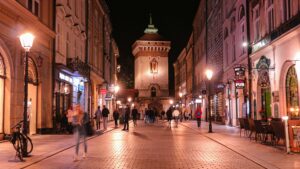
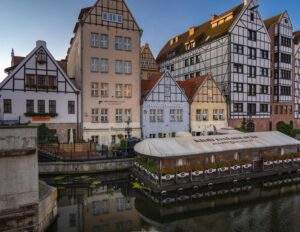
Walk into Gdańsk in late summer and you will feel the city shift. Streets ripple with color, vendors call out in warm voices, and the scent of bread, amber resin and roasted nuts travels on the sea breeze. That is Jarmark Dominikański, known in English as St. Dominic’s Fair, a tradition born in the Middle Ages and still very much alive. It is not just a shopping event. It is a celebration where history, crafts, music and everyday life come together in the heart of the Old Town.
From bells at noon to a citywide festival
The roots go back to the thirteenth century, when friars invited people to gather around a church feast and the city marked the opening with bells at noon. Over time the fair moved beyond one square and grew into a network of streets, first around Saint Dominic’s and then across landmarks like Długa and Wały Jagiellońskie. As Gdańsk opened to travelers and merchants, new trading spots appeared and the fair became a date circled on calendars far outside Poland. War interrupted it for a time, but the city brought it back in the twentieth century and has kept building on that spirit ever since.
What it feels like right now
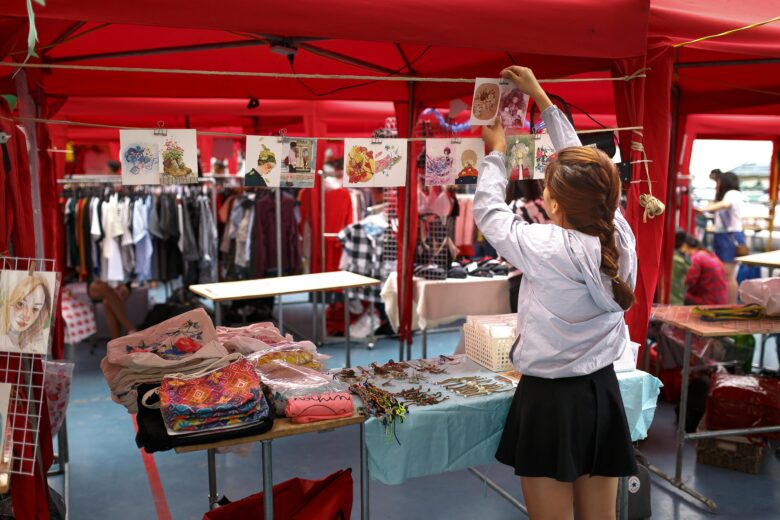
Today the fair stretches for several weeks in summer and welcomes crowds that ebb and flow with the weekends. The opening no longer relies only on bells; the city sets the tone with a cheerful fanfare and a ceremonial handover of a symbolic key to the gates. You will meet artists who carve and paint on the spot, collectors who can tell the story of a single coin for ten minutes without repeating themselves, and cooks who have turned a family recipe into a tiny stand with a steady line. The best part is how informal it remains. You can wander, ask questions, taste, compare, and come back later when your mind has finally decided which handmade mug or linen shirt feels right.
My small moment that explains the big magic
One afternoon I paused at a woodworking stall where an older man shaped a toy boat with a knife so simple it looked ancient. A child next to me asked why the mast leaned. The artisan smiled, tilted the blade, and said boats on our coast lean into the wind to stay honest. The sentence was poetry and sales pitch in one. I bought the boat for a friend’s kid; it now sits on a desk and somehow smells faintly of pine and sea salt. That is the fair at its best: an object that carries a conversation home.
How to navigate without losing the joy
The fair sprawls across the Old Town, which means you can plan a full day and still miss half of it, and that is fine. Mornings suit families and slow browsing because the light is gentle and the streets are calmer. Afternoons warm up with street music and pop-up shows. Evenings bring a festival mood, with locals and visitors mixing along Szeroka, Mariacka and Długa. Comfortable shoes are your smartest choice on cobblestones. Eat a real meal before you are hungry because food queues grow exactly when your energy dips. Keep some cash as backup, though most vendors handle cards now. If you see something unique, make a note of the stall’s location or take a quick photo of their sign; the lanes are charmingly easy to get turned around in.
What you will actually find beyond souvenirs
There is a strong craft backbone here. You will see amber jewelry that ranges from classic to daringly modern, ceramics with glazes the color of the Baltic, textiles woven by hand, and small tools made with more care than their price suggests. The fair also leans into art and hobby culture, so vinyl, old maps, stamps and vintage posters appear like treasure among new goods. Food is not an afterthought. Stands serve pierogi, grilled fish, breads with crackling crusts and regional sweets, and you can graze your way through a very happy afternoon. Music and theater pop up on corners and small stages, so you might hear a folk trio on one street and a jazz quartet around the next bend.
A few respectful habits that keep the atmosphere warm
This is a living neighborhood as well as a fairground, so treat it as both. Keep doorways clear, lower the volume late at night, and ask before photographing someone closely at their stall. If you handle an item, return it carefully and take a moment to chat; makers love explaining how things are made, and those two minutes turn shopping into connection. Use the recycling bins that the organizers set around the main routes. If accessibility is a concern, arrive early in the day when aisles are wider and staff can point you to the most comfortable paths between streets.
Practical timing without memorizing a timetable
Dates shift slightly year to year, but the fair lands in late July and August and runs long enough that even a busy traveler can carve out a day. Weekdays are easier for slow browsing, while weekends deliver the fullest buzz. Opening hours vary by area and by day, with mornings starting earlier on weekends and some evenings stretching later when the weather smiles. The city posts a current program before and during the fair, so it is worth checking the official schedule the night before you go and marking down two or three highlights you do not want to miss. Everything else can happen by pleasant accident.
A short loop to make the most of one visit
If you only have a single day, start near the waterfront and slide into the Old Town toward Długa. Let yourself drift into side streets like Mariacka for quieter stalls. Pause for a coffee under a tenement facade and watch how the crowd changes hour by hour. After lunch, circle back toward the main routes where performers usually gather, then pick a final stop where you promised yourself a return. As the light softens, stand for a minute at the edge of the crowd and take in the soundscape: vendors laughing, a distant horn, shoes against stone. That mix is the fair’s real soundtrack.
Why this tradition still matters
Jarmark Dominikański keeps a city in conversation with its past without turning it into a postcard. It reminds you that trade is not only money changing hands but people sharing skills, recipes and jokes across generations. It lets visitors feel like temporary locals and gives locals a chance to meet the world without leaving home. That is why families come back, why travelers tell friends to add Gdańsk to their summer plans, and why a simple wooden boat can carry a whole afternoon’s kindness.
A friendly nudge to go
If you have been meaning to experience it, choose a day, pack curiosity and good shoes, and let the streets lead you. You may bring back amber or bread or a ceramic bowl, but the real souvenir is lighter. It is the way Gdańsk sounds when the fair is in full swing and the way a stranger explains their craft as if you were already old friends. That feeling lasts long after the stalls fold and the city exhales for another year.