A story that still breathes fire
If you stroll along the Vistula River in Kraków and look up at Wawel Hill, it’s easy to feel a little bit of magic in the air. Locals will tell you about a dragon that once nested under the castle. The tale sounds old-fashioned, but it’s strangely modern too. It’s not just about claws and flames. It’s about a city in trouble, a clever underdog, and the idea that brain beats brute force almost every time. I grew up hearing this sto ry at family dinners, and even today I can almost hear my grandpa whisper, “Remember, don’t fight a monster the way the monster wants.”
Life under the shadow of the beast
Long ago, Kraków was busy and proud. Markets were loud, hammers sang in forges, and boats slid past on the river. Then the shadow came. A dragon made its home in a cave below the castle. People woke to scorched rooftops and empty pastures. The creature didn’t negotiate. It took. It took sheep, then cows, then courage. Parents kept kids indoors. Fishermen stayed off the water. Even the bravest knights returned with bent spears and singed eyebrows. I always imagine that fear as a kind of fog, slow and sticky, getting into everything.
A king, many knights, and one shoemaker
The king did what kings do. He called for heroes. Metal glinted. Banners flapped. The dragon yawned. Swords chipped against scales, arrows skittered like rain on stone. That should have been the end of hope, but it wasn’t, because a young shoemaker named Skuba watched and thought. He didn’t have armor, only rough hands and stubborn eyes. He noticed what others missed. The dragon ate fast. It drank faster. It trusted its hunger more than anything. That was the crack in its armor.
The trick that changed everything
Skuba stitched a sheepskin the way he would a good boot: tight seams, no loose threads. But instead of wool, he packed it with sulfur. It looked like a fat lamb, soft and harmless. He set it by the cave at dawn, then hid in the reeds by the river. The dragon sniffed, snapped, swallowed. A heartbeat passed. Then heat. More heat. Fire on the inside. The monster lunged for the Vistula and drank like a broken well. It drank until even the fish must’ve wondered where the river went. And then, at last, silence. Some say it burst. Some say it choked. Either way, the city exhaled for the first time in months.
When I tell this part to kids, I always pause. The room goes quiet. Someone whispers, “He was just a shoemaker?” Exactly. No magic sword. No secret bloodline. Just a plan, a needle, and the nerve to try.
Why this legend still matters
The Wawel Dragon isn’t only a monster; it’s a mirror. Every city, every team, every family meets its “dragon” sooner or later. Maybe it’s a budget crisis at work, a deadline that feels impossible, or a personal fear you’ve been dodging for years. Most of us reach for a bigger hammer first. But the story nudges us to step back, look again, and find the angle. Identify the habit the problem trusts, then flip it. Tbh, that’s saved me more than once. I once had a project that kept slipping because meetings ate our mornings. Instead of pushing harder, we killed the meetings for two weeks and shipped a clean draft in three days. Not heroic, just clever.
How to share the lesson with kids
I like to keep it simple. Ask them what the dragon wanted most. They’ll shout, “Food!” Ask what Skuba used. Not a weapon, but a fake meal. Let them see the pattern: find the lever, not the wall. You can even make a small craft. Use scrap fabric to sew a tiny “sheep,” then fill it with cotton balls and a pinch of cinnamon for a fun smell. The point isn’t perfection. It’s the ah-ha moment. Kids remember ah-ha’s for years.
Visiting Wawel today, without the fire
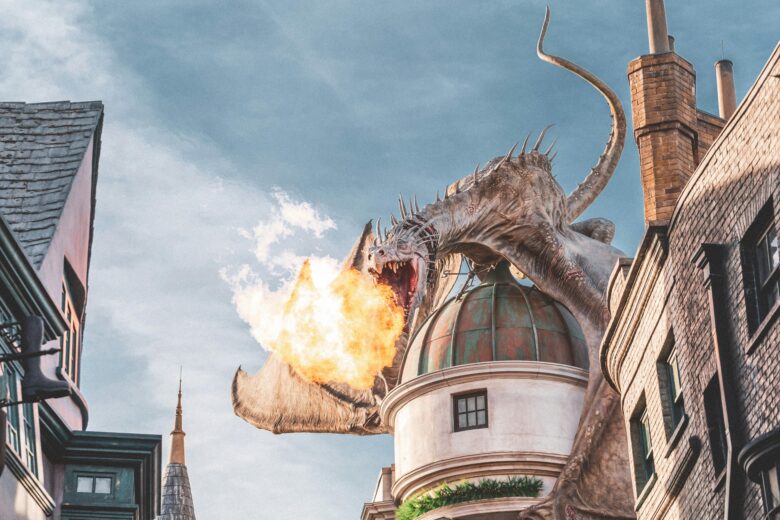
If you’re heading to Kraków, put Wawel on your morning list. The light is soft, the paths are quiet, and you can walk down to the Dragon’s Den, the real cave under the hill. At the riverside stands a metal dragon statue that breathes fire every so often. It’s a crowd pleaser, and yes, it makes for great photos. Bring a light jacket because the cave air is cool even in July. Afterward, cross to the riverbank for a simple picnic and watch the water roll by. That little pause is the best part, at least for me. The city hums, the castle shines, and for a moment you can beleive that every problem has an edge you can find.
What the king did next
Most versions say the king rewarded Skuba. Not just with gold, but with honor. That matters. We often throw money at heroes and forget respect. Skuba’s victory wasn’t luck. It was craft, patience, and a willingness to be laughed at before being cheered. If you’ve ever pitched a strange idea in a serious room, you know that feeling. Keep going. Most good ideas sound wrong until they work.
Business, creativity, and the “Skuba step”
I call it the “Skuba step.” Before you charge, pause. Map the monster. What does it consume? What makes it rush? Where does it always go next? Then design something that looks like what it wants, but leads it where you need. A client once struggled with no-shows at a free workshop. Instead of begging people to come, we added a tiny refundable deposit and a simple pre-task that took three minutes. Attendance jumped. The dragon wanted “free.” We fed it “commitment.”
A gentle reminder about courage
It’s easy to read this legend as “be clever, not brave.” The truth is both. Skuba still walked to the dragon’s cave. His hands still shook. Courage isn’t the absence of fear; it’s action with fear in your pocket. When your own dragon shows up, let your knees knock a little. Then take the next right step anyway.
The ending that begins again
The people of Kraków danced. Bells rang. Smoke cleared. But the city didn’t forget. Stories like this become part of the bricks. They remind us, softly and stubbornly, that solutions hide in plain sight and that small hands can turn big wheels. Next time you pass a workshop, listen for the rhythm of tools on wood and leather. Somewhere in that steady tap-tap is the heart of this tale.
Walk the hill. Peek into the cave. Feel the cool, damp air and the warmth of the sun when you come back out. The dragon may be gone, but the lesson stays. Think a little different, act a little braver, and you can turn even the hottest problem into steam.
And if your plan looks weird at first, that’s okay. The best ideas often do. Skuba would smile, tie his apron, and say, “Try it.”