A folk hero born in the heart of Kraków
Every old city keeps a few secrets, and Kraków guards one of my favorite ones. Locals still tell the story of Pan Twardowski, a bold alchemist who dreamed bigger than everyone else on the market square. He wanted gold from ordinary metal and youth that never fades. When books and bottles were not enough, he called for help from a darker place and wrote his name into Polish folklore forever. This is not just a spooky tale. It’s a reminder that sharp wit can beat brute force, and that every shortcut cames with a price.
The ambitious alchemist and a dangerous promise
Twardowski was not the kind of magician who made coins jump from behind your ear. He studied powders, signs and stars in a cellar near the main square, chasing the philosopher’s stone and an elixir of life. According to legend, one night he summoned a certain gentleman in black and struck a deal. The devil promised wealth, learning and fun without end. In return, he would claim Twardowski’s soul—but only, as the contract finally said, if they met in Rome. That tiny clause was the sorcerer’s trick. He believed he would never set a foot there, so what could go wrong?
Years of glory on a flying rooster
With a snap of a clawed finger, the cellar filled with wonders. Twardowski got rich, dressed like a lord and stayed young while other nobles counted their wrinkles. Travel by horse felt slow, so he created a giant rooster that could lift him over the city roofs and forests with a flap of metallic wings. I always imagine the view from up there, dragon towers on one side, the Vistula bending like ribbon on the other. He visited mountains and sea, always steering wide of anything that smelled like Rome. For a long while, he looked like the smartest man in Poland.
The tavern called “Rzym,” and the trap inside the name
You already hear the twist coming. One evening Twardowski was feasting with friends. The room buzzed with songs, mugs clinked, jokes flew. The candles trembled, the smoke curled, and the devil stepped from the dark. “Time,” he said, with a smile too kind to trust. Twardowski straightened his belt and pointed to the contract. “Only in Rome.” The devil laughed and spread his arms. The sign above the door read “Rzym”—which in Polish means both “Rome” and the name of many old inns. A single word turned safe ground into a snare.
A last dash and a leap toward the moon
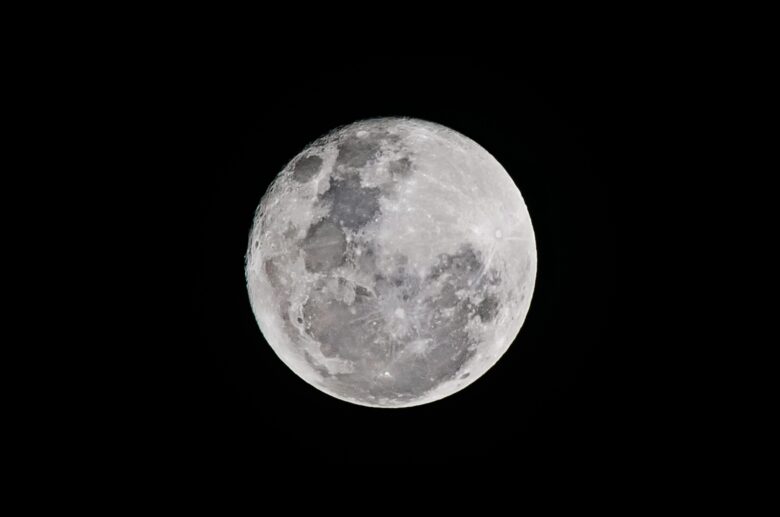
Even trapped, Twardowski didn’t fold. He threw a pinch of salt to sting the devil’s eyes, kicked the shutters open and jumped onto his flying rooster waiting outside. They shot up into the night, chimney sparks falling behind like small red stars. For a moment it looked like he’d win again. But the devil is patient. The story says a thin cord still tied the bird to earth. It jerked tight, the sorcerer slipped, and only a lucky snag of cloak on the curve of the moon kept him from falling. If you look up on a very clear night, some people swear they can make out a tiny rider sitting there, still grinning and still learning.
What this legend teaches without preaching
You can enjoy the tale for the magic alone, yet there’s more under the surface. Ambition makes cities grow, but ambition without limits makes trouble. Clever wording can save you once, not forever. The most useful lesson is the simplest: think about where names can lead you. I once booked a “Castle View” room in Kraków and arrived to find a great view of a mural called “Castle.” Not the same, but my fault for not reading the map. Twardowski’s mistake was larger, but the idea is similar. Words matter. Details matter.
How to share the story with kids and travel fans
If you’re telling this legend to children, keep the rhythm light and paint pictures with plain words. The devil doesn’t need fangs to be scary; a polite voice and a tricky contract are enough. When I guided my nephew through the Old Town, we stopped by a quiet courtyard and I asked him what rule he would add to a magic deal. He thought hard, then said, “No tricks with names.” We laughed and got ice cream. He still remembers that day better than the list of dates I tried to teach him later.
Finding Twardowski’s echo in modern Kraków
Kraków makes it easy to feel the story under your feet. Basements under old tenement houses still hold cool air and stone arches that look ready for experiments. Street musicians in the main square pull coins from nowhere, and for a second you think a rooster might land on the cloth roofs of the stalls. If you want the mood, go at dusk when the bugle call from St. Mary’s Tower fades across the rooftops. The light goes honey–soft, and the city looks exactly like a place where a deal could be signed with a flourish and a joke.
A few human notes that keep the legend alive
What I like best about Twardowski is not the wizardry. It’s the very human mix of courage and overconfidence. He was brave enough to argue with a devil and bright enough to delay the bill. He also got carried away by his own cleverness. That feels true in the age of apps as much as in the age of alchemy. Before I click “accept,” I try to read one more line than I want to. Before I promise a deadline, I leave myself an honest buffer. There are many tiny “Romes” hiding in daily life, and you don’t need a flying rooster to avoid them—just a breath and a second look.
Why this story belongs on your culture bucket-list
Polish legends aren’t just nice extras for a rainy day. They are soft keys that unlock how places think and speak. Twardowski’s tale mixes humor with warning, pride with irony, and a stubborn refusal to give up even when the odds shift. It mirrors the city that shaped it—playful, resilient, clever about workarounds. Next time you plan a trip to Poland, keep this legend in your back pocket. Walk slow. Watch the signs. And if the moon looks like it’s wearing a tiny cloak, give it a nod for the sorcerer who almost won forever, and still teaches us to keep our wits bright.