A city tale that still tingles the spine
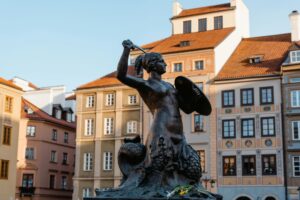
If you walk the tighter streets of Warsaw’s Old Town and feel a tiny chill, don’t blame the wind off the Vistula. Locals will tell you it’s the whisper of the Basilisk, the city’s most goosebump-worthy legend. It’s not a horror story for gore’s sake. It’s about curiosity, a bad decision or two, and a clever trick that turned terror into relief. I first heard it from a craftsman who sold leather belts near the square; he tapped a polished buckle and said, “Shine scares monsters.” I grinned then. Now I kinda belive it.
Who—or what—was the Basilisk, really
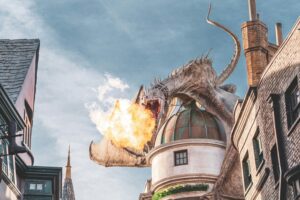
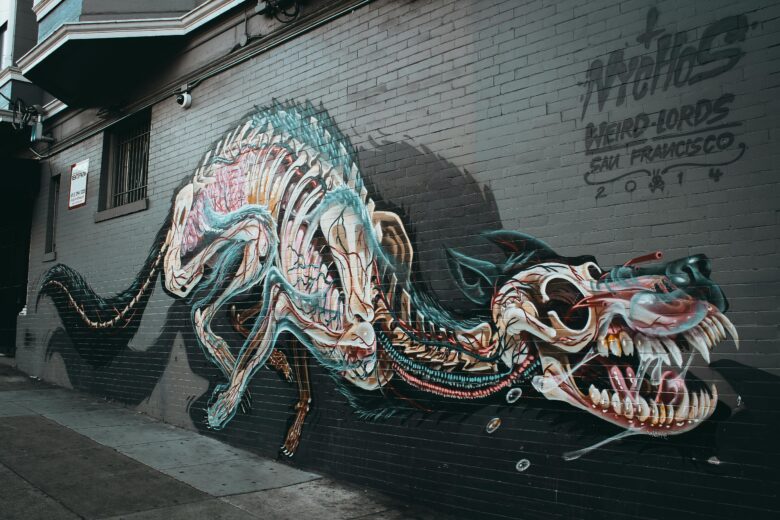
In the tale, the Basilisk is a strange creature, part rooster and part serpent, with a crown-like comb, scaly body and eyes that burned red then yellow. The worst part wasn’t the claws or the hiss. It was the stare. Look at it straight on and you were done—stone-still, literally. That idea isn’t random. Medieval Europe loved stories where pride and careless looking were punished. The Basilisk’s gaze is a simple warning painted large: some places deserve respect, and some doors should stay shut unless you know what you’re doing.
The black-smith’s kids and a street full of temptations
The legend opens in a busy armorer’s shop. Hammers ring, sparks fly, and a father—Melchior—tells his two kids, Maciek and Halszka, to behave and, above all, to avoid a crooked lane called Krzywe Koło. “Bad things under that old house,” he says. The children promise, as children do, and then the city distracts them. A bear trainer ambles through the market. A cheeky boy named Waluś jokes and boasts. You can picture it easily if you’ve ever taken a child to a fair and watched their eyes dart from one delight to the next. That’s how detours are born.
The forbidden cellar and the first terrible glance
The trio slip toward the crooked lane. There’s talk of treasure. There’s a rusty gate, then cold steps spiraling down. Waluś goes first. A shape stirs. Those round, shining eyes flare—and the boy collapses, silent as a statue. The creature swivels, the feathers bristle, the tail coils. Somehow Maciek and Halszka remain hidden, breath held tight like a knot. When I tell this part to kids, I always pause. Even in a story, getting too close to danger out of pure boredom feels uncomfortably real. We’ve all done a smaller version of that.
Panic, searching, and a plan you could call genius
The children’s family notices they’re gone. An old housekeeper goes looking and also vanishes into stone. Word spreads through the streets. A city official advises the parents to find a wise healer, a sort of scholar-physician who knows both herbs and hidden rules. He listens and gives a plan that sounds odd but perfect: send someone into the cellar covered with mirrors. If the Basilisk kills by its gaze, make it face itself and the monster will recieve its own curse back. That twist is the heart of the legend for me. You don’t beat a Basilisk by swinging harder. You turn its power around.
The man with mirrors and the end of the monster
A condemned man—Jan from Silesia—agrees to try in exchange for freedom. Imagine him breathing slow, armor of glass plates clinking, each one catching slivers of torchlight. He steps into the damp, the air tasting of dust and lime. The Basilisk lunges, eyes blazing, and sees itself from a dozen angles at once. The glare rebounds. Silence. A shape collapses. The spell breaks like thin ice. Children are found. The housekeeper stirs. Jan walks back up the stairs blinking at the sun and the city keeps its promise. Justice served, but also mercy. I like that mix; it sounds very Warsaw.
Why this old story still matters in a modern capital
You can enjoy the Basilisk tale as pure adventure, but it also offers three neat reminders. Curiosity needs a little caution. Problems that brute force can’t solve might yield to a clever angle. And communities work best when they keep their word, even to someone with a rough past. I once lost my phone near the Old Town walls. A teenager ran three blocks to hand it back, totally out of breath, then shrugged like it was no big deal. That’s the mirror trick in everyday life: reflect good back, cancel the nasty.
A simple walking route to feel the legend’s echo
If you’re visiting with kids, start in the market square while the cafés are still waking up. Tell the story in your own words as you cross toward the narrow lanes. You don’t need to hunt exact cellars or secret gates to get the mood. Just notice the way the streets fold into each other, how the light jumps from window glass to cobbles. That sparkle is your modern mirror-armor. When someone asks where the monster lived, point at a shadowed arch and say, “Mabe there. But we won’t go down today,” and smile. Not every door has to open to make the tale feel true.
Tips for parents and teachers who love a good legend
Keep the language simple and the pace steady. Let kids guess solutions before you reveal the mirror idea. Ask who in the story acted bravely and who acted foolishly. If you’re crafting a classroom activity, hand out paper circles as “shields,” let children glue bits of foil to make their own anti-Basilisk mirrors, then practice turning sideways instead of staring straight at a “problem.” It’s playful, but it sneaks in a real skill: when something feels too big, change your angle.
Little details that anchor the myth in place
The names in the tale feel lived-in because Warsaw has always been a working city as much as a royal one. You can still hear metal being shaped in small workshops not far from where the legend sets its first scene. You can still watch buskers gather a crowd the way the bear trainer did, minus the bear of course. And every now and then you’ll catch your own reflection in a shop window and think, without meaning to, of a man wrapped in mirrors taking one careful step at a time.
Closing thoughts from a lane that bends
The Basilisk story isn’t just about fear. It’s about seeing. See the risk. See the trick. See the people who step up. On a bright afternoon the Old Town looks like a stage, and the past walks on and off without fuss. If you do feel that tiny chill again, don’t run. Turn a bit. Let the light catch you. Monsters, in lengends and in life, don’t like what a clear mirror shows. And Warsaw, stubborn and kind, keeps a lot of mirrors polished.