A timeless origin story told in a fresh voice
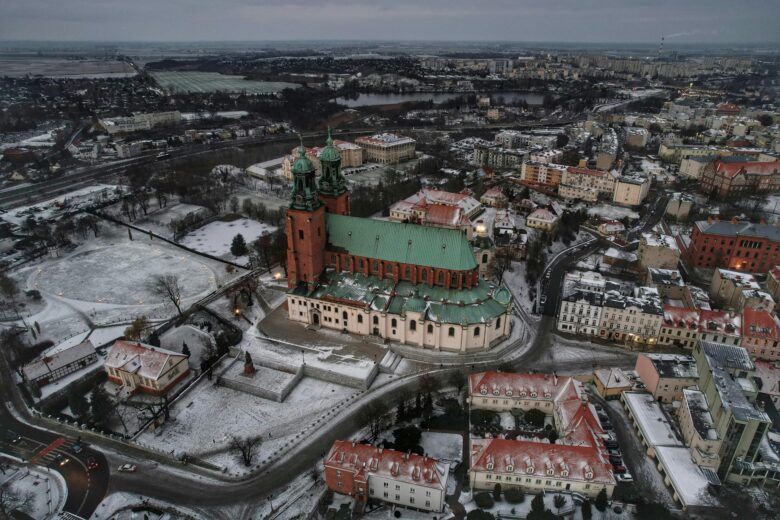
Every nation keeps a story in its pocket about where it came from. In Poland, that story often begins with three brothers who rode out of a deep Slavic forest to look for new homes and a better tomorrow. Their names were Lech, Czech and Rus, and although the tale is old, it still feels alive when you hear it beside a campfire or during a family road-trip. I first heard it in the back seat on the way to Gniezno, with my uncle pointing at stork nests and saying, half-joking, that we were following the same sky signs those brothers once watched.
Three brothers, one calling
The legend sets us among ancient groves where people read the world the way sailors read the sea. Winds, bird-flight, and the bend of trees were like notes in a score. The brothers were not kings yet, just determined men with good horses and a sense that staying put was not an option. They had guidance from elders and their gods, but no maps, no milestones, only trust in signs and in each other. That mix of courage and curiosity is a big reason the story keeps returning to classrooms and kitchens alike.
The white horse and the northern fire
Every good journey begins with a spark. In this tale, it’s a moment in a sacred place when the sky seems to answer and a white horse becomes a sign to move. The brothers take it as a green light to ride, first north through heavy forest, then east toward the sunrise. They travel the practical way people have moved for centuries, by water, by stars, by moss on trunks in the shade. When I think of it, I hear hooves on damp leaf-litter and the steady breath of animals that know the trail better than men do.
The road that splits into three
Somewhere beyond the tall pines, the path widens into possibility. The brothers understand that journeys don’t always end together. Each will find a place that answers his own promise. The story doesn’t waste time on arguments or jealousy; it is surprisingly modern about parting well. You go where your sign points. Your work is to recognize the moment when your path and your future finally shake hands.
The eagle over the oak: founding Gniezno
Lech’s moment arrives on a clearing where a great oak holds a nest. A white eagle circles above and the ground carries one bright feather, like an arrow from the sky. He reads it as destiny. He settles there and calls the place Gniezno, the “nest,” planting a seed that will grow into the first capital of Poland and a symbol that will sit on shields for centuries. If you’ve ever felt that sudden click of right place, right time—a new job that just fits, the city street that feels instantly yours—you know the electricity of that scene.
What Czech and Rus teach by riding on
Czech and Rus continue, each toward lands that answer their names in later history. The legend keeps the camera on Lech for the founding moment, but the quiet leadership of the other two matters too. Progress isn’t a single point on a map; it is a set of neighbors learning to live side by side. I like to imagine the brothers meeting again years later at the edge of a forest, trading stories about harvests, borders and the stubbornness of spring mud.
Why this legend still works today
At its heart, this is a story about reading signals and acting with purpose. The brothers listen to mentors, trust their skills, and then move when the sign arrives. That sequence is powerful in work and life. When I launched a small creative project, I sat on it for months waiting for perfection. The “white eagle” came in the form of a short email from a reader asking, simply, “When can I share this?” The next day I shipped v1.0. Not because I had every answer, but because the sign told me momentum matters more than polish.
A simple guide to using the lesson
There is a practical rhythm here that anyone can try. Watch closely and collect small signals instead of forcing big ones. Test your direction in short rides rather than heroic leaps. Name the moment you’ll commit, so you recognize it when it arrives. Then build something that can hold life, the way a nest holds eggs. The legend honors action, but it also honors craft. Lech doesn’t just plant a flag; he builds a place where people can thrive.
Visiting the roots without turning it into a museum
If you walk through modern Gniezno or stand under the eagle emblems in Polish towns, the legend comes home in a new way. Travel light, go early, and give yourself an hour without your phone to let the space talk to you. Take a small notebook and write three sentences about what you’d found there if you were Lech arriving for the first time. The exercise sounds simple, but it’s a nice reset button for busy minds and a fun way to help kids engage beyond taking a photo.
Culture, symbols and the long view
Symbols like the white eagle endure because they carry layered meaning without heavy explanation. Strength, watchfulness, height, care for the nest—these are values you can pass to the next team, the next class, the next family. The legend does not argue history with footnotes. It offers a shared language for belonging. In a world that scrolls fast, that may be the rarest resource of all.
Closing thoughts for modern path-finders
The brothers teach us that heritage is not only behind us. It is also the courage we take forward. Look for the clearing, notice the feather, and don’t wait for a perfect wind. Begin where the sign meets your skill and your community. Build the nest that others can grow from. If a child asks you tonight where Poland began, you can point to a map and name a city. But you can also say it began in three steady heartbeats—see the sign, choose your way, and make a home worthy of the people who will come after you.