POLISH CHRISTMAS EVE TRADITIONS: THE FIRST STAR, OPLATEK, AND THE WARMTH OF WIGILIA
The Night Really Begins When Someone Spots The First Star
In many Polish homes, Christmas Eve doesn’t start with the clock—it starts when a child (or the most eager adult) steps to the window and announces the first star. It’s a gentle ritual that invites everyone to pause and breathe. The symbol reaches back to the Star of Bethlehem, but its modern power is simpler: it tells a busy family to slow down together. I still remember pressing my forehead to a cold pane, whispering “Is that it?” while the kitchen hummed behind me. The exact name of the point of light doesn’t matter. What matters is the shared looking up, a small moment of wonder that resets the room.
Oplatek: Breaking Bread, Sharing Honest Words
The thin white wafer—oplatek—is the heart of Polish Christmas Eve. Before dinner, family and guests break pieces and exchange wishes. It’s an invitation to say what we often leave unsaid: gratitude, apologies, hopes for the coming year. I’ve seen old tensions soften at that table because someone chose a kind sentence instead of a safe formula. If you can’t be with a loved one, sending a wafer by mail keeps the connection alive. Keep the wishes specific and sincere. A single, clear blessing does more good than a long speech that tries to cover everything.
Twelve Meat-Free Dishes And Why They Matter
Tradition points to twelve dishes on the table, a number many connect to the apostles or the months of the year. The menu is usually meat-free, with fish and forest flavors leading the way. Beet soup with little dumplings, pierogi with cabbage and mushrooms, herring in oil or cream, poppy-seed noodles, and dried-fruit compote all carry memory and meaning. My mother has one standing rule: taste a little of each dish, so good fortune “doesn’t skip your plate.” Whether you make six dishes or the full twelve, the spirit is the same—abundance shared with care.
An Empty Place That Welcomes Someone In
One extra plate and chair often appear at the table. For some it honors those far away or gone. For others it symbolizes a welcome to a traveler. A neighbor of mine once invited an elderly man from our building who would have spent the evening alone. He arrived quietly and left with new friends. When the empty setting turns into a real invitation, tradition becomes kindness in action—and that is the essence of the night.
Small Signs, Deep Roots
A pinch of hay may rest beneath a white tablecloth, a candle may burn calmly through the meal, and families try not to leave the table until everyone is finished. Children whisper about animals speaking at midnight and tiptoe toward the pet just in case. These little customs create rhythm and safety, especially for kids who will remember the glow long after the gifts are forgotten. Even for those who approach the evening in a more cultural than religious way, intention gives the night its shape.
Gifts With Meaning Beyond The Box
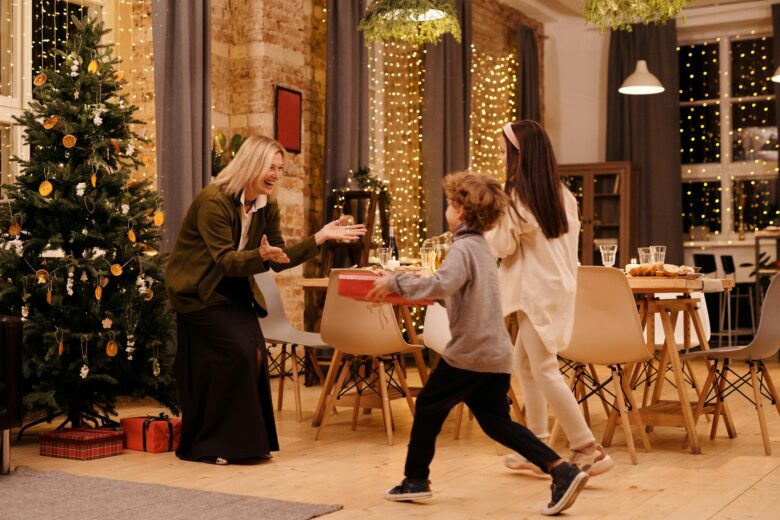
After dinner, many homes move to gifts. The spirit behind them reaches back to stories of Saint Nicholas and simple generosity. One way to make presents more memorable is to add a short note: a favorite moment from the year, a promise for time together, a printed photo from a shared trip. These additions don’t require a big budget. They turn a package into a memory—and that tends to last far longer than the paper it came in.
Midnight Mass Or A Quiet Walk Under Winter Sky
For many, Midnight Mass (Pasterka) is a highlight—carols echo, breath hangs in the air like silver, and the church feels both cold and warm at once. If you don’t attend, a brief night walk can offer a similar pause. Step outside with someone you love, let the street fall quiet, and talk about the year with gentleness. The point isn’t perfection; it’s presence. The night feels different when you move through it slowly.
Practical Ways To Keep The Evening Peaceful
Christmas Eve goes best when the kitchen isn’t a race. Prepare what you can a day ahead. Pierogi freeze beautifully, herring likes time to marinate, and compote deepens in flavor overnight. Plan modest portions so tasting everything stays joyful instead of overwhelming. Give everyone a role—the star watcher, the candle lighter, the carol picker—so the evening belongs to the whole table. If a dish turns out differently than planned, smile and carry on. People remember how they felt, not whether the dumplings were identical.
Stars, Science, And The Point Of Looking Up
Some years the first bright “star” is actually a planet shining in the early dark. The distinction is interesting, but it isn’t the heart of the ritual. Families aren’t doing astronomy exams; they’re creating a shared beginning to the evening. The act of searching together and agreeing, “Yes—that’s it,” gives the night a soft threshold. It marks the moment when errands end and celebrating starts.
Keep What Brings Peace, Refresh What Doesn’t
Tradition is living when it serves the people at the table. Keep the customs that make you kinder and calmer—the oplatek, the first star, that one carol everyone knows. Refresh what causes more stress than joy—trade one heavy dish for a bright salad, create a spot for a vegan or gluten-free plate without turning it into an argument, shorten the speeches so dessert doesn’t become an afterthought. The goal is not a museum of perfect repetition. It’s a home full of steady warmth.
Why Wigilia Stays With You Long After The Candle Goes Out
When the plates are washed and the candle is a small circle of wax, Christmas Eve leaves its quiet lesson. Start with wonder. Say the honest words. Leave a place open. Eat patiently. Walk under the sky for a minute longer than you planned. Practiced through a year, these are habits of peace. Whether your first star is a pinprick above the rooftops or a bright planet near the horizon, let it be your reminder that the best parts of the holiday can live in ordinary days too.