The flavor of childhood, carried into adulthood
Polish cuisine isn’t just a list of recipes—it’s the sound of a pan with gently sizzling onions, the aroma of broth drifting from the kitchen, the warmth of a Sunday cake finishing in the oven. These small scenes turn “just a pork cutlet” into comfort and make pierogi the cure for a long day. Polish food is friendly, filling, and designed for sharing—because here, we truly like to eat together.
Market-fresh, without fuss
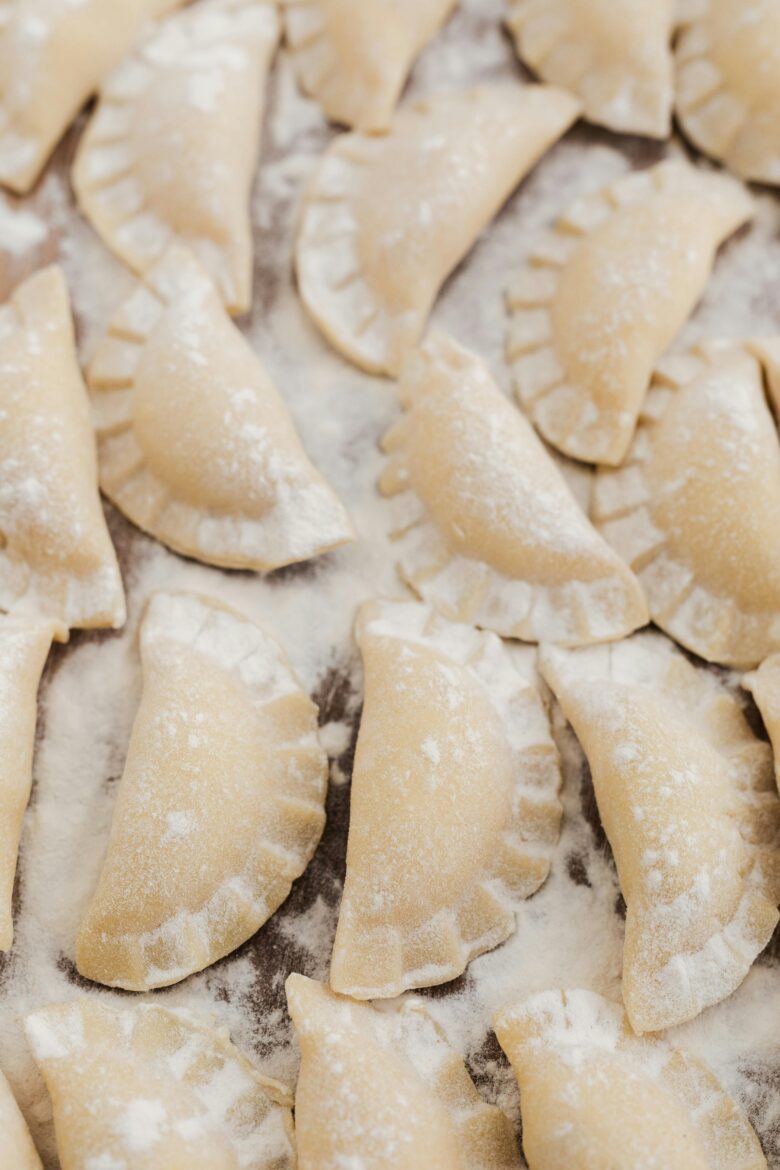
At the heart of Polish dishes are ingredients you can find in any local shop: potatoes, cabbage, seasonal vegetables, good meat, eggs, flour, and dairy. No complicated extras—technique and patience matter more. If you’re making żurek (sour rye soup), give the sourdough time to mature. If you’re making bigos (cabbage stew), don’t rush—it really tastes better the next day. And for pierogi? Start with elastic dough (all-purpose/Type 480–500 flour and hot water), then season the filling just a touch bolder than your first instinct. It pays off.
Dishes that bring people to the table
Polish cuisine leans into “comfort food”—the kind that relaxes conversation. Pierogi ruskie with golden onions and a spoon of sour cream. Breaded pork cutlet that’s crisp on the edges and tender inside, with potatoes and cucumber salad. Żurek on rye sourdough with an egg, filling the flat with its cozy aroma before anyone sits down. Cabbage rolls baked in tomato sauce—soft, fragrant, and hearty. These are the dishes that make phones disappear and talk flow.
Lighter twists without losing the soul
More and more people look for “lighter” versions of classics—and it’s absolutely doable. Bake your breaded pork on a rack in the oven for a crunchy crust without the frying smell. After boiling pierogi, give them a quick dry sear on a grill pan—great texture, minimal fat. Cook żurek on a vegetable broth and serve the white sausage on the side, so everyone can portion as they like. Making meat-free bigos? Add smoked prunes and a pinch of smoked paprika—the campfire aroma stays, the dish feels lighter.
Small tricks, big difference
Details change everything. Sweat onions slowly for pierogi filling so their sweetness balances the tang of farmer’s cheese. Combine sauerkraut and fresh shredded cabbage 50/50 for bigos—flavor is rounder, not too sharp. For cucumber salad (mizeria), a tiny pinch of sugar plus a few drops of lemon juice or vinegar brightens the taste. If your pierogi open in the pot, roll the dough slightly thicker and crimp the edge with a double fold—like a zipper.
Seasonality is the quiet secret
Polish cooking follows the calendar. Spring brings baby beets and new cabbage; summer is for tomatoes, cucumbers, and berries; autumn for plums and mushrooms; winter for ferments and roasted roots. Seasonality isn’t a trend—it’s how you get better flavor for less money. When you use what’s in season, dishes almost “cook themselves,” and spices support rather than hide the ingredients.
Polish-style meal prep
Classics love batch cooking. Make a larger pot of bigos and freeze it in flat containers—it thaws faster. Freeze pierogi raw in a single layer, then transfer to a bag—they won’t stick. Cook broth for two to three days of meals; on day two, turn it into tomato soup. You’ll save time and eat homestyle meals all week.
A kitchen anecdote: patience is an ingredient
The first time I made rye sourdough for żurek, I tried to “help it along.” I put the jar near a heater and checked every few hours. The result? Too sharp and flat. On the next attempt, I left it on the counter, away from direct sun. Three calm days later, it was gently tangy with a bready aroma. Lesson learned: in Polish cooking—like in life—some things can’t be rushed. Time and quiet are ingredients, too.
Food trips across Poland
Food pairs naturally with travel here. In Kraków, you’ll find classic pierogi and modern spins with brown butter and sage. In Gdańsk, żurek often leans herbal with juniper notes. In the Tatra region, a bowl of kwaśnica (sauerkraut soup) warms you after a mountain walk. Add a “flavor list” to your weekend trip and you’ll see a city differently.
Gear that truly helps
You don’t need a TV-studio kitchen. A heavy-bottomed pot for soups and stews, a roomy pan, a sturdy rolling pin (adjustable thickness is a game-changer for pierogi), and a sharp knife are enough. If you cook often, consider a slow cooker—bigos “makes itself,” and low-and-slow broth becomes clear and full-bodied.
A kitchen that connects generations
The best part about Polish cooking is that a recipe is only the beginning. Every family has its secrets: someone adds a bold pinch of marjoram, someone else stirs a touch of sugar into tomato soup, and Grandma swears bigos shouldn’t be stirred with a metal spoon. These tiny differences become a story you can taste.
FAQ: Quick, practical answers
1) Can I freeze pierogi?
Yes. The best way is to freeze them raw: place in a single layer on a tray until firm, then move to a bag. Boil from frozen; add 1–2 extra minutes.
2) How long does bigos keep in the fridge?
About 4–5 days when stored properly. It actually improves with each gentle reheat.
3) My pierogi open while boiling—how do I fix that?
Roll the dough slightly thicker, seal firmly, and crimp with a double fold. Make sure the filling isn’t watery; drain well and cool before filling.
4) Żurek without homemade sourdough—any backup?
In a pinch, whisk rye flour with warm water and a slice of crusty bread, let it ferment a couple of days. It won’t be identical, but it works.
5) How do I make a lighter breaded pork cutlet?
Bake on a rack in a hot oven so air circulates around the cutlet. Let breaded meat rest in the fridge 10–15 minutes so the coating adheres.
6) What’s the right ratio of sauerkraut to fresh cabbage for bigos?
Half and half is a reliable start. Adjust to taste by adding more sauerkraut for tang or more fresh cabbage for sweetness.
7) Can I meal-prep Polish soups?
Absolutely. Broth keeps 3–4 days; freeze extra portions. Many soups (e.g., tomato, cabbage) reheat well—add fresh herbs just before serving.
8) How do I keep cucumber salad (mizeria) from turning watery?
Salt sliced cucumbers lightly and let them sit 10–15 minutes, then drain. Stir in sour cream or yogurt just before serving.
9) What flour should I use for pierogi?
All-purpose (Type 480–500) works great. Use hot water and knead until elastic; rest the dough 15–20 minutes before rolling.
10) Are there vegetarian or vegan Polish classics?
Yes. Pierogi with potato-cheese (swap dairy for plant options), mushroom-cabbage fillings, meat-free bigos with smoked paprika and prunes, and many seasonal soups can be made vegetarian or vegan with small tweaks.
A friendly final note
Polish cuisine is warm, flexible, and welcoming. You don’t need to follow every gram. Taste as you go, write down what worked, lean on seasonal produce, and keep a few small tricks up your sleeve. Then set the table and invite your people—because here, the best seasoning is a good conversation. Smacznego!