THE OLD TOWN THAT NEVER SLEEPS
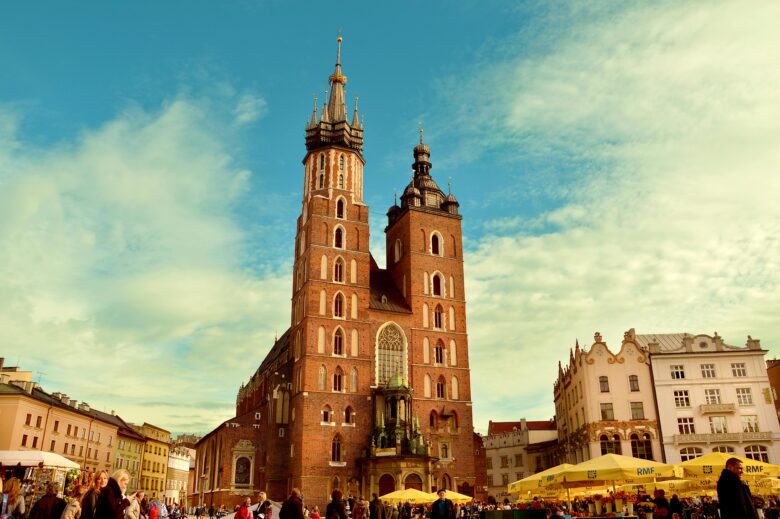
If Krakow has a heartbeat, it’s the Old Town. Step onto Rynek Główny at noon and you’ll hear the trumpet call from the Mariacka tower. It is lively, but one side street away the noise softens. Visit St. Mary’s to see the famous altarpiece and, if your legs allow, climb the Town Hall Tower for a classic panorama. I like the café upstairs in the Cloth Hall for a simple espresso and a priceless view. Wander the lanes toward Collegium Maius and cool off on the green ring of the Planty. Locals say Stare Miasto and Rynek—use those words and you’ll sound like you belong.
WAWEL HILL: SYMBOLS, STORIES, AND A RIVER SUNSET
Wawel is the city’s memory palace. Approach from Grodzka Street, then step into the cathedral where chapels sparkle and the Sigismund Bell hums in your chest. Castle courtyards are free to enter, so even on a tight day you can soak in Renaissance arches. For the best photo at dusk, cross the river to the Manggha side and frame the castle in gold light. Families love the dragon statue by the river; it really breathes fire every few minutes, which never gets old for kids—or adults.
KAZIMIERZ: HERITAGE BY DAY, ATMOSPHERE BY NIGHT
Kazimierz was once a separate town and still keeps its rhythm. Daytime means synagogues, small museums and quiet courtyards. Evening brings warm lights, music from doorways and a relaxed dinner mood. Plac Nowy is casual and social; grab a classic zapiekanka and people-watch by the rotunda. Around Szeroka Street, take time to read the plaques and reflect on the district’s Jewish heritage. For affordable meals and great coffee, this neighborhood rarely disappoints.
PODGÓRZE: ACROSS THE FOOTBRIDGE, A DIFFERENT VIEW
Cross the Bernatka footbridge and Podgórze opens up. The market square and St. Joseph’s church play a clever perspective trick that makes the tower look taller. Ghetto Heroes Square, with rows of empty chairs, invites quiet reflection. The Schindler Factory museum nearby is powerful and immersive; booking ahead is smart. If the sky is clear, finish at the Krakus Mound for sunset. Bring a light jacket and let the city turn copper below you.
EASY WAYS TO GET AROUND
Krakow is compact and walkable. Most headline spots sit within a short tram ride, and mobile ticketing makes it simple. If mobility is a concern, plan routes that avoid steep climbs and tower stairs; most modern trams are low-floor. Weather changes fast, so a small umbrella and shoes with grip help on shiny cobbles.
GREEN BREAKS INSIDE THE CITY
The Planty is the city’s green exhale, perfect after the bustle of the Rynek. For a wow moment, head to Zakrzówek, a turquoise quarry lake wrapped in limestone and trees. On bright days it looks unreal even without filters. If you prefer open space, Błonia—the giant meadow—works for a jog, a bike loop or a lazy stroll. Viewpoint fans can add Kopiec Kościuszki for history with their panorama.
EAT WELL WITHOUT BLOWING THE BUDGET
Krakow’s dining scene moves easily from casual cafés to special-occasion restaurants. I keep a simple loop on busy days: breakfast near the Old Town, coffee in Kazimierz, dinner in Podgórze. Lunch specials are a quiet money saver, and plant-forward options are common. You don’t need to chase only the fanciest spots to eat memorably here.
HOW MANY DAYS TO PLAN
Two full days cover the essentials without turning sightseeing into a race. Day one fits the Old Town and Wawel with a riverside walk. Day two pairs Kazimierz by day and Podgórze by evening, with Krakus Mound at sunset if the weather cooperates. A third day lets you add a museum deep dive or a nature escape.
SMALL DETAILS THAT MAKE A BIG DIFFERENCE
Cashless works almost everywhere, but a few coins can still help with older machines. Mornings are calmer for big hitters like St. Mary’s; evenings are for river light and café chatter. Spring blooms on Wawel are gorgeous, and crisp autumn light flatters photos. Krakow rewards a slower pace—follow the bells, peek into courtyards, and say yes to that unexpected coffee stop.